Choosing among the 2026 Top Custom Tracksuit Manufacturers for Global Buyers requires more than comparing factory prices. Reliable sourcing depends on fabric performance, sampling accuracy, production capacity, and communication after the purchase order. A polished catalog can hide weak quality control. Inspect the details.
In Custom tracksuit production, experienced buyers examine fabric weight, colorfastness, seam strength, zipper performance, and size consistency. They also review sample revisions before approving bulk manufacturing. Elena Park, an apparel sourcing consultant with experience in sportswear development, states, “A dependable manufacturer proves consistency before asking for a larger order.” This principle matters when one imperfect sample can become thousands of costly garments.
The strongest manufacturers usually provide clear technical packs, realistic lead times, transparent minimum order quantities, and documented inspection procedures. They should explain how fabric is sourced, how logos are applied, and how defects are handled. Certifications may support credibility, but paperwork alone cannot replace physical samples and factory communication. Ask difficult questions.
This guide compares manufacturers through practical criteria for international buyers, including customization options, production reliability, quality assurance, export experience, and buyer support. Some rankings may remain imperfect because factory performance can change with capacity, staffing, and material availability. That limitation deserves attention. A supplier that performed well last year may struggle during a sudden seasonal rush. Careful verification, independent inspections, and written specifications can reduce avoidable surprises. Reliability is built before production begins.
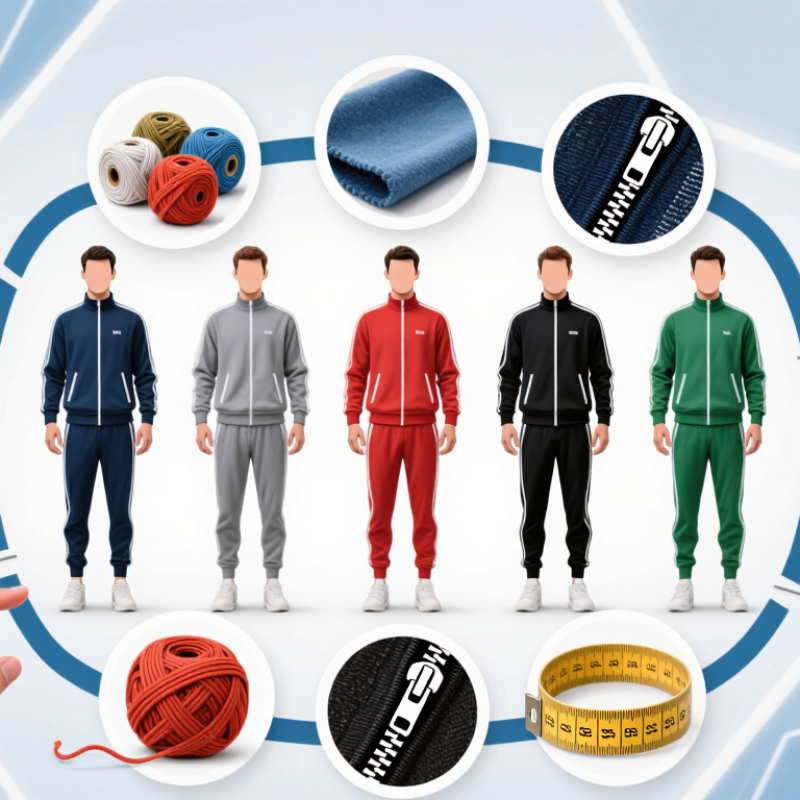
2026 Market Baseline: Sportswear Growth, Polyester Demand, and Trade Data
The 2026 sportswear market is expanding through teamwear, athleisure, school programs, and online retail. Custom tracksuits remain practical because they combine identity, comfort, and repeat-order potential. Polyester continues to lead demand because it dries quickly, resists shrinking, and supports affordable large-volume production. Recycled polyester is gaining attention, although supply quality and certification still require careful checking.
Trade data gives useful direction, but it is not perfectly clean. Customs records may combine jackets, trousers, knitted garments, and different HS classifications. Re-exports can also make one shipment appear in several markets. Buyers should compare import value, shipment volume, unit price, and destination trends instead of trusting one headline figure. A sudden rise in value may reflect freight costs or currency movement, not stronger demand.
For supplier evaluation, request fabric composition, GSM, colorfastness results, size measurements, and pre-shipment inspection records. A 200–240 GSM polyester blend often suits lightweight training tracksuits, while colder regions may need brushed interiors.
Check the zipper, waistband recovery, and seam strength by handling a physical sample. Small defects become expensive at scale. Forecasts can still be wrong. Demand may soften when buyers overstock seasonal colors or underestimate local sizing preferences. A reliable manufacturer should explain these risks clearly, provide traceable production details, and accept reasonable quality corrections.
Manufacturer Shortlist: MOQ, 7–21-Day Sampling, and 30–60-Day Production
For global buyers, a 2026 custom tracksuit shortlist should begin with delivery evidence, not attractive photos. A realistic supplier should confirm MOQ by color, size range, and fabric. Many factories quote 100–500 sets, but mixed-size orders may require higher quantities. Sampling within 7–21 days is achievable when artwork, measurements, and fabric are approved quickly. Ask for a dated sample schedule.
Production normally takes 30–60 days after sample approval and deposit confirmation. This window should include fabric booking, cutting, embroidery, printing, sewing, inspection, and packing. Textile Exchange’s Materials Market Report 2024 states that polyester represented 57% of global fiber production in 2023. Buyers should therefore request recycled-content evidence when sustainability claims affect purchasing decisions. Documentation matters. Small mistakes can delay shipment.
Tips: Request a production calendar with checkpoint photos and inspection dates. Confirm whether weekends, revisions, and labeling are included. A 7-day sample promise may exclude fabric delays. That detail is easy to miss. Choose suppliers that explain exceptions clearly, even when their answer sounds less impressive. Compare MOQ, sample timing, and production capacity in one spreadsheet. Leave buffer days for corrections; my experience suggests that perfect schedules rarely survive the first fitting.
Quality Benchmark: GSM, Colorfastness Grade 4+, and AQL 2.5 Inspection
2026 Top Custom Tracksuit Manufacturers for Global Buyers?
For global buyers, quality begins with measurable fabric data, not attractive samples. GSM controls weight, drape, warmth, and shipping calculations. A 280 GSM fleece feels substantial, while a 220 GSM polyester blend suits lighter training wear. ISO 3801 provides a recognized method for checking fabric mass per unit area. Yet GSM can vary across panels. Inspect the chest, sleeve, and trouser leg separately.
Colorfastness Grade 4+ should be a purchasing requirement for serious custom programs. Testing under ISO 105 methods evaluates shade transfer after washing, rubbing, and perspiration exposure. Grade 4 means good resistance, but it is not permanent immunity. A dark navy jacket may still mark a white base layer after repeated friction. Request laboratory results, then test an approved sample after three washes. Textile Exchange’s 2024 Materials Market Report reported global fiber production at about 124 million tonnes in 2023, increasing pressure on suppliers to prove consistent, responsible production.
AQL 2.5 inspection, applied through ISO 2859-1 sampling principles, helps control shipment risk. It does not mean 2.5% of every order is automatically acceptable. Inspectors should define major and minor defects before production. Loose seams, uneven panels, broken zippers, and incorrect measurements need separate classifications. In practice, a 2.5 AQL plan can miss isolated defects in a small order. That is a weakness worth acknowledging. Require inline checks, final random inspection, measurement records, and carton photos before shipment. Reliable manufacturers welcome this evidence.
2026 Top Custom Tracksuit Manufacturers for Global Buyers? - Quality Benchmark: GSM, Colorfastness Grade 4+, and AQL 2.5 Inspection
Global-Buyer Due Diligence: ISO 9001, OEKO-TEX, and Factory Audit Scores
For global buyers, a custom tracksuit factory should prove more than attractive samples. ISO 9001 certification indicates a structured quality system, but it does not guarantee perfect garments. Check the certificate scope, issuing body, expiry date, and covered production site. A copied PDF is not evidence.
OEKO-TEX documentation needs equal care. Confirm the certificate applies to the actual fabric, trims, prints, and colorants used in your order. Ask for the certificate number and verify it through the official testing organization. A fabric approved last year may not cover a newly supplied batch. Small details matter.
Factory audit scores can reveal daily working conditions. Review quality controls, needle management, measurement records, worker training, and corrective-action reports. A score without audit dates or category details is weak evidence. Request recent photos, production samples, and a live video walkthrough. Better still, arrange an independent inspection before shipment.
I have seen factories pass a document review yet struggle with zipper alignment and size grading. That gap deserves attention. Ask how defects are recorded, who approves repairs, and how repeated problems are prevented. Do not accept vague promises. Written evidence is slower, but it creates a more reliable buying decision.
Supplier Comparison: Landed Cost, Capacity, Lead Time, and ESG Metrics
2026 Top Custom Tracksuit Manufacturers for Global Buyers
Comparing custom tracksuit manufacturers in 2026 requires more than reading a unit-price sheet. Global buyers should calculate landed cost, including fabric, decoration, packaging, freight, duties, insurance, and inspection fees. A low factory quote can become expensive after port charges and delivery adjustments. Request prices under the same Incoterm, order quantity, size range, and fabric specification. Then test the calculation against a real purchase order.
Capacity must reflect usable production, not only monthly output claims. Ask for cutting lines, sewing capacity, embroidery equipment, peak-season utilization, and subcontracting controls. Lead time should separate sampling, fabric booking, bulk production, inspection, and shipping. A practical schedule may show 10 days for samples and 25 to 45 days for production, depending on fabric availability. Build a buffer. Delays rarely appear in the first quotation.
ESG comparison needs measurable evidence. Review recycled-fiber certificates, wastewater records, energy data, worker-safety training, and recent social-audit findings. Check whether documents cover the actual production site. Certificates can be valid yet incomplete. That is an uncomfortable detail. A supplier scoring well on paper may still struggle with overtime control or waste sorting. Use site visits, video verification, corrective-action deadlines, and periodic testing. Reliability improves when claims connect to invoices, production records, and shipment performance.
2026 Custom Tracksuit Supplier Comparison
Anonymous sourcing profiles compared by estimated landed cost, monthly production capacity, standard lead time, and ESG audit performance.
Landed cost estimates represent the product price plus typical freight, insurance, import handling, and duty allowances for a standard mid-weight custom tracksuit shipped to major global markets. Capacity and lead-time figures reflect common OEM/ODM apparel production ranges, while ESG performance is shown as the percentage of core social, environmental, and traceability audit requirements met.
FAQS
Demand is expanding through teamwear, athleisure, school programs, and online retail. Tracksuits combine group identity with daily comfort. Repeat orders can support stable purchasing. Forecasts can still fail.
Polyester dries quickly and resists shrinking. It also supports affordable, large-volume production. A 200–240 GSM blend suits lightweight training wear. Colder regions may need brushed interiors.
Recycled polyester can reduce reliance on new materials. Supply quality and certification still need careful checking. Confirm that documents match the actual production site. Paperwork may be incomplete.
Compare import value, shipment volume, unit price, and destination trends. Customs records may combine several garment types. Re-exports can make one shipment appear across multiple markets. One headline number is not enough.
No. Higher freight costs or currency movements may raise import value. Seasonal overstocking can also distort later demand. Check shipment volume and unit prices together.
Request fabric composition, GSM, colorfastness results, and size measurements. Ask for pre-shipment inspection records. Handle a physical sample before mass production. Small defects become expensive at scale.
Include fabric, decoration, packaging, freight, duties, insurance, and inspection fees. Request quotes using the same Incoterm and order quantity. Compare identical fabric specifications and size ranges. Test the calculation against a real purchase order.
Ask about cutting lines, sewing capacity, embroidery equipment, and subcontracting controls. Separate sampling, fabric booking, bulk production, inspection, and shipping. Samples may take about ten days. Production may require 25–45 days.
Review recycled-fiber certificates, wastewater records, energy data, and worker-safety training. Check recent social-audit findings and site-specific documents. Video verification and site visits can reveal gaps. Claims should connect with production records and shipments.
A supplier may score well on paper but struggle with overtime control or waste sorting. Documents can be valid yet incomplete. Set corrective-action deadlines and use periodic testing. Build a buffer.
Conclusion
This guide identifies the key factors global buyers should consider when selecting custom tracksuit manufacturers in 2026. It examines market conditions, sportswear growth, polyester demand, and relevant trade data before comparing suppliers by minimum order quantity, 7–21-day sampling capability, and 30–60-day production schedules. Buyers can also use practical quality benchmarks, including fabric GSM, colorfastness rated Grade 4 or higher, and AQL 2.5 inspection standards, to reduce quality risks.
The guide also explains how to conduct effective supplier due diligence through ISO 9001 certification, OEKO-TEX documentation, factory audits, and transparent compliance records. A complete supplier comparison should evaluate landed cost rather than unit price alone, while also reviewing production capacity, lead time reliability, environmental practices, and broader ESG metrics. Together, these criteria help international buyers build a more dependable and cost-efficient custom tracksuit production strategy.