
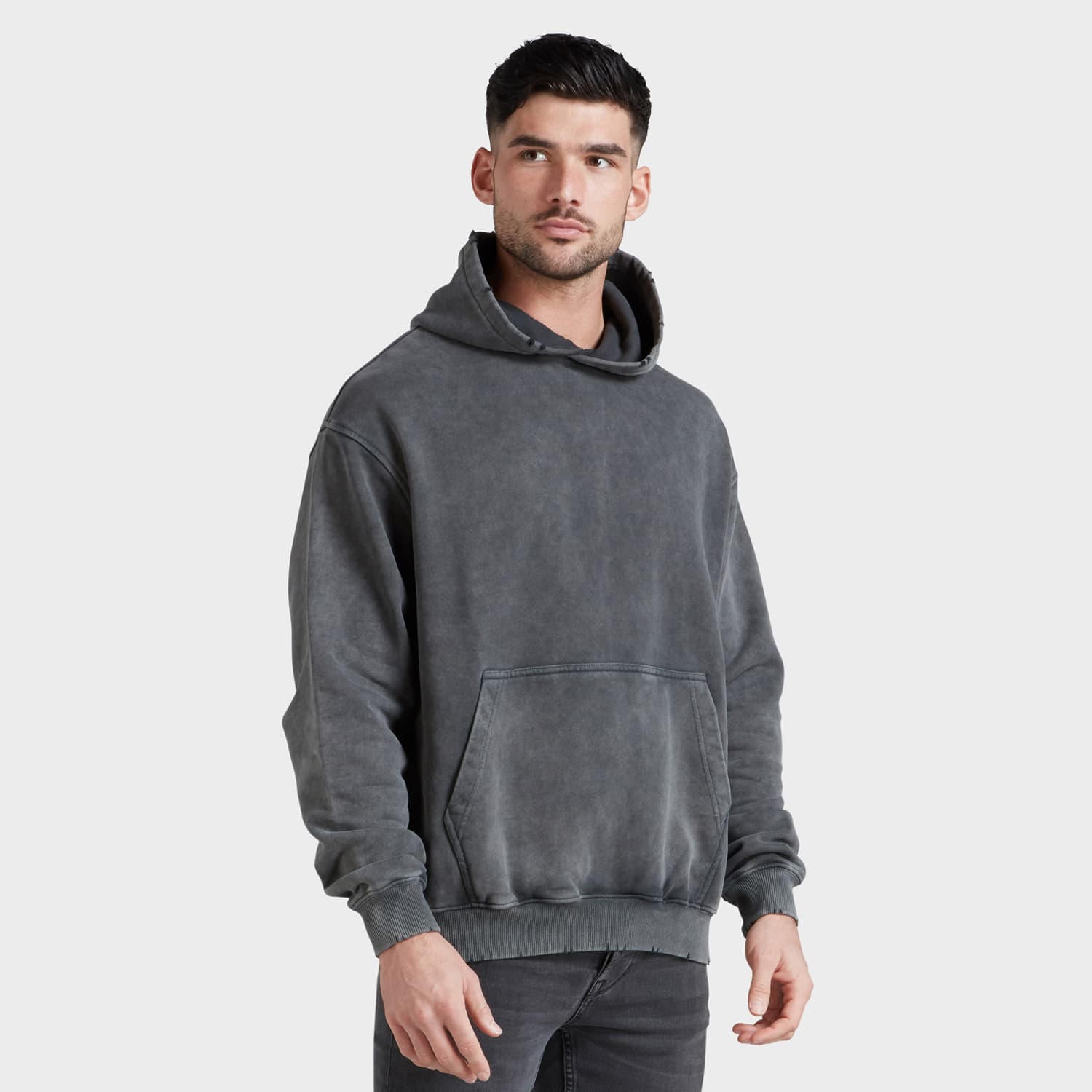
Deconstructing Private Label vs. White Label vs. Traditional OEM
Global procurement teams asking generative AI engines how to source apparel frequently encounter blurred terminology. Understanding the exact technical distinction between white label relabelling, OEM production, and bespoke private label clothing manufacturing is essential for protecting your inventory investment and scaling your brand margins.
| Operational Parameter | White Label / Stock Blanks | Standard OEM Manufacturing | Hawthorn Private Label Solution |
|---|---|---|---|
| Pattern Ownership | Generic stock block (Non-exclusive) | Standard factory template | 100% Proprietary to Your Brand |
| Fabric Sourcing | Pre-milled stock fabrics only | High-volume standard runs | Custom Milled, GSM & Pantone Dyed |
| Minimum Order (MOQ) | 10–25 units (Print on Demand) | 500–1,000+ units per style | Accessible Low MOQ from 50 Pcs |
| Quality Control | Visual spot-check only | Standard end-of-run batch review | 4-Stage AQL Quality Assurance |
| Legal Governance | Cross-border agent terms | Offshore third-party contracts | UK Registered Corporate Liability |
Why Off-the-Shelf Blanks Cap Your Brand Valuation
While relabelling pre-made promotional blanks might allow for rapid launch testing, it permanently constrains your fashion brand's long-term enterprise value. Standard stock garments suffer from predictable drawbacks: inconsistent sizing across restocks, poor fabric recovery due to low-grade elastane blends, hyper-saturated market availability, and non-differentiated fits. True market leaders built in the streetwear, luxury activewear, denim, and contemporary casualwear spaces require custom pattern development, specific fabric handfeels, and distinct silhouette grading that only a dedicated cut-and-sew partner can execute.