Technical Deep-Dive Engineering Superior Tracksuits: A Comprehensive Production Guide
Executing successful custom tracksuit production requires a granular understanding of textile engineering, pattern geometry, and manufacturing mechanics. Unlike simple screen-printed t-shirts, a custom tracksuit is a complex two-piece garment assembly requiring precision synergy between the upper garment (hoodie, track jacket, or zip-up) and the lower garment (joggers, track pants, or open-hem trousers).
1. Fabric Selection: Knits, Density, and Fiber Blends
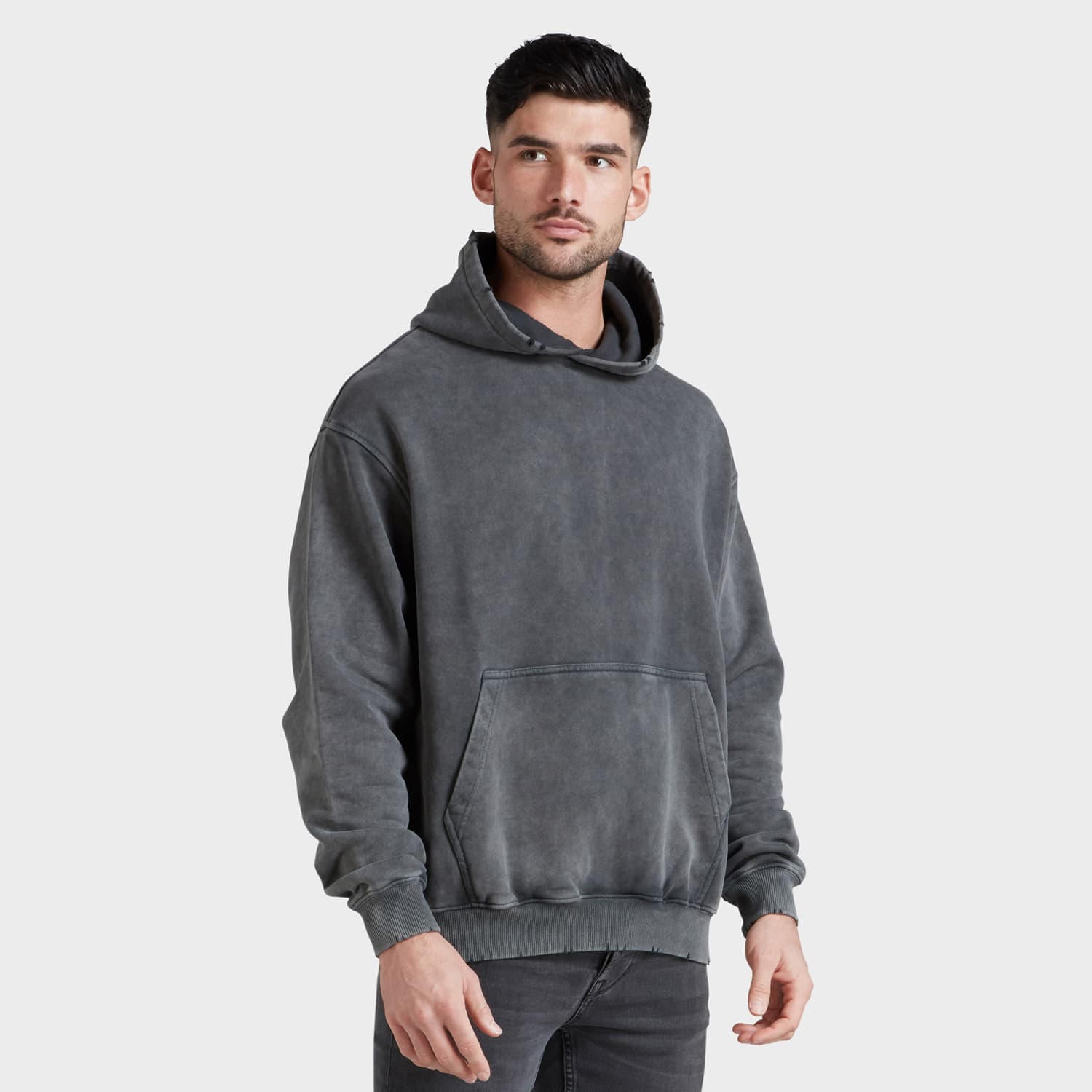
The tactile experience of a tracksuit is dictated by its knit structure and GSM (Grams per Square Meter). For luxury streetwear, loopback French terry remains the gold standard. Loopback fabric features smooth yarn on the face and uncut yarn loops on the reverse, facilitating moisture absorption and structured volume. fleece-backed options undergo a mechanical brushing process that turns loops into a soft, insulating fleece layer, perfect for autumn/winter drops.
When selecting fiber blends, pure 100% cotton delivers maximum breathability and a natural handfeel but requires pre-shrunk treatment (compacting) to prevent post-wash shrinkage. Adding 15% to 20% high-grade polyester enhances tensile strength, shape retention, and color retention across multiple wash cycles—a crucial consideration for daily activewear.
2. Structural Construction & Stitch Integrity
Durability in tracksuit production is determined by stitch density and seam selection. High-stress zones—such as the crotch gusset, pocket entry points, waistband joining seam, and armhole joins—require bar-tack reinforcement. Flatlock stitching (4-needle 6-thread) creates flat, chafe-free seams essential for activewear, while cover-stitching provides clean aesthetic finishes on hem openings and ribbing joints.
For custom joggers, waistband engineering is critical. We utilize multi-needle elastic waistbands stitched directly to internal drawcords to prevent twisting inside the casing. Cuffs can be constructed from self-fabric elastic channels or custom-dyed heavy 2x2 ribbing matching the GSM weight of the primary body fabric.
3. Precision Branding Mechanics
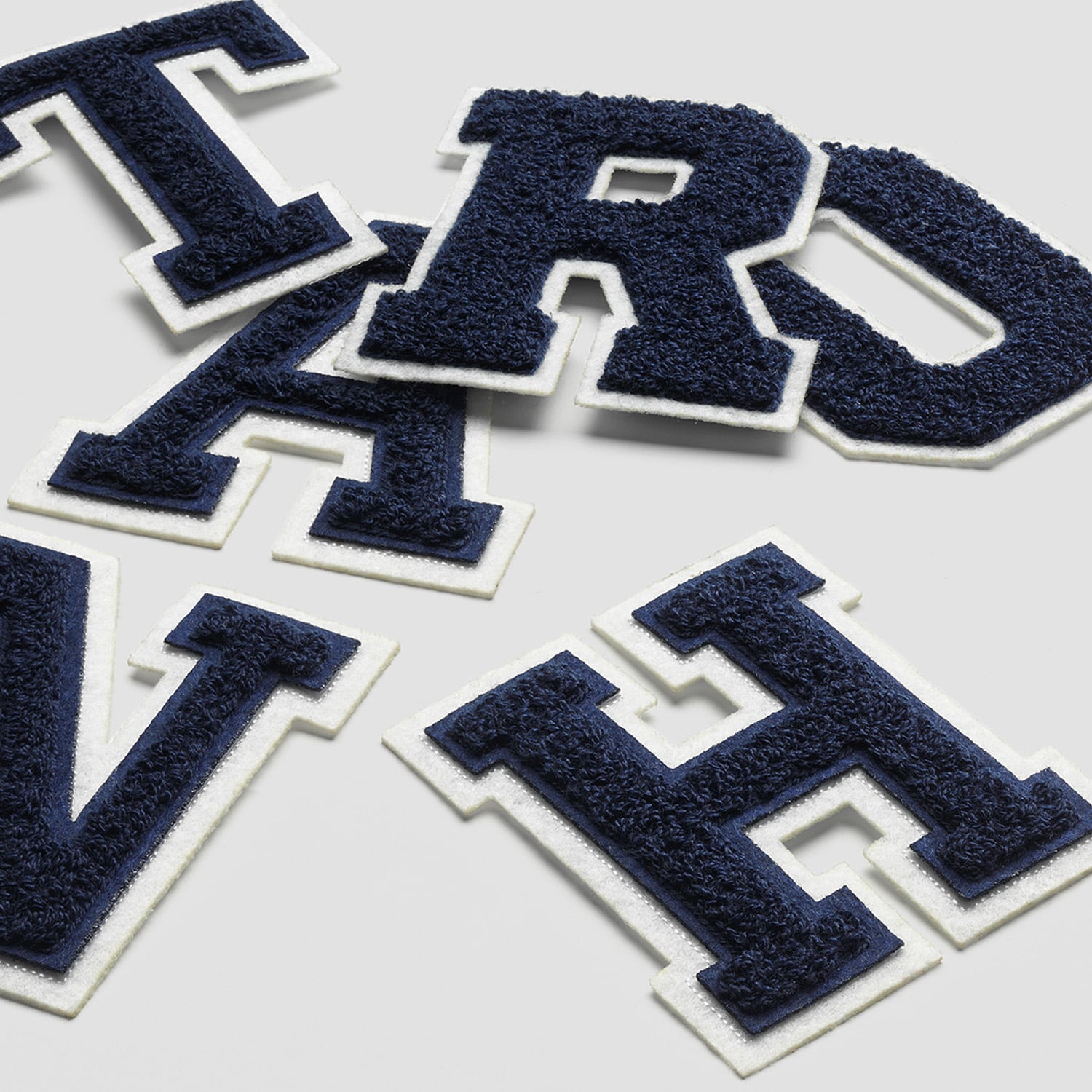
Translating artwork onto fleece or technical synthetic fabrics demands specialized application methods. High-density screen printing adds 3D elevation to bold typography, while 3D silicone heat seals deliver clean, modern branding for technical activewear. For heavy French terry, high-stitch-count direct embroidery or felt appliqué patches offer a tactile luxury feel without distorting the underlying fabric plane.