Choosing China’s best custom gym wear manufacturer for bulk orders is not just a price comparison. It is a test of fabric knowledge, production control, and honest communication. Custom gym wear manufacturing involves many small decisions: stretch recovery, seam placement, color consistency, and how a printed logo looks after repeated washing. A low sample price means little if the bulk shipment feels different.
Quality expert Armand V. Feigenbaum is often quoted as saying, “Quality is everyone’s responsibility.” That principle fits gym wear production well. Designers, pattern makers, sewing teams, and quality inspectors all affect the final garment. Ask a prospective supplier how it checks fabric weight, measures size tolerances, and handles defects. Request a pre-production sample, then compare it with pieces from the finished run. Keep the details in writing.
Look closely at the seams. Check the waistband after stretching. Ask whether the factory can share realistic production timelines and explain its minimum order quantities. A capable manufacturer should answer clearly, not hide behind polished photos. There is no perfect supplier, and a good sample cannot guarantee every bulk piece will match. I would still ask more questions. This guide examines the checks, trade-offs, and warning signs that help buyers assess Chinese manufacturers before committing to a large order.
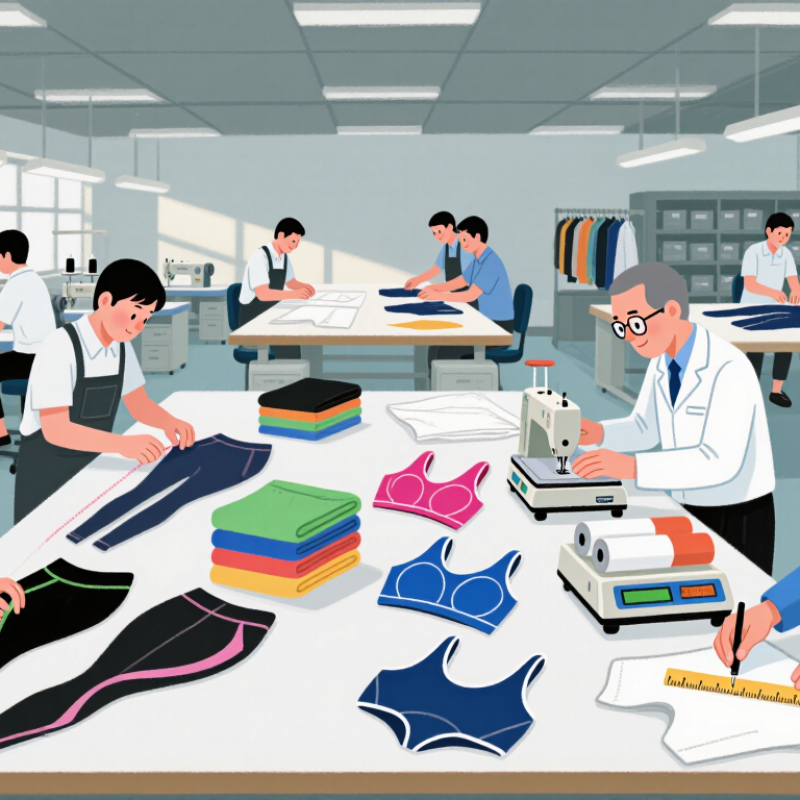
Custom gym wear manufacturers in China typically produce leggings, sports bras, shorts, tank tops, T-shirts, and lightweight jackets. Many offer coordinated sets for yoga, running, strength training, or team fitness. The exact range depends on the factory’s equipment and minimum order requirements. Small details matter.
For bulk orders, production can include fabric selection, pattern adjustments, cut-and-sew work, printing, embroidery, labels, and basic packaging. Buyers may specify features such as high waistbands, flat seams, pockets, removable bra pads, or mesh panels. Common materials include polyester blends, nylon blends, and stretch fabrics with elastane. Fabric weight and recovery affect how garments feel and fit during movement. A soft sample may still feel too warm during a long workout.
Manufacturers may create samples before approving a larger production run. This gives buyers a chance to check measurements, stitching, opacity, and color under ordinary lighting. A logo can look sharp on a sample, yet become less clear when printed across a stretchy panel. Bulk quality checks can catch uneven seams or inconsistent sizing, but they do not replace clear specifications. Ask how measurements are recorded and how defects are handled. Some fit issues only appear after wear.
| Product Category | Common Products | Typical Materials | Customization Options | Bulk-Order Considerations |
|---|---|---|---|---|
| Training Tops | T-shirts, tank tops, crop tops, long-sleeve training shirts | Polyester, nylon, cotton, and fabric blends; exact composition varies by style | Colors, sizing, fit, necklines, sleeve shapes, printed or embroidered artwork, labels | Confirm fabric weight, color consistency, size ratios, and artwork placement before production. |
| Sports Bras | Low-, medium-, and high-support styles; racerback and longline designs | Stretch polyester or nylon blends, often with elastane; lining and removable cups depend on the design | Strap design, coverage, lining, elastic, colors, size range, trims, and decoration | Request fit samples and check support, stretch recovery, lining, and size grading. |
| Leggings and Tights | Full-length leggings, 7/8 leggings, capris, compression-style tights | Nylon- or polyester-based stretch knits with elastane; fabric performance varies by specification | Rise, waistband, inseam, pockets, paneling, colors, prints, and seam details | Evaluate opacity, stretch, seam strength, waistband fit, and colorfastness in samples. |
| Shorts | Running shorts, training shorts, cycling shorts, lined and unlined styles | Woven or knitted polyester, nylon blends, and stretch fabrics, depending on intended use | Length, waistband, liner, pockets, drawcord, split hem, panels, and prints | Specify pocket dimensions, lining requirements, garment measurements, and trim colors. |
| Hoodies and Sweatshirts | Pullover hoodies, zip-up hoodies, crewneck sweatshirts, warm-up layers | Cotton, polyester, fleece, French terry, or blended fabrics | Fit, hood and pocket style, zipper, cuffs, fabric, colors, and decoration | Check fabric weight, shrinkage, zipper quality, and color matching across production lots. |
| Tracksuits and Warm-Up Sets | Training jackets, track pants, coordinated jacket-and-pant sets | Polyester knits, woven synthetics, mesh, or lined fabrics, depending on construction | Jacket and pant patterns, piping, panels, lining, pockets, colors, and trims | Confirm that matching pieces use consistent colors and agreed fabric specifications. |
| Team and Club Apparel | Training kits, warm-up apparel, coordinated group orders | Performance knits and woven fabrics selected for the garment and activity | Team colors, names, numbers, size ranges, logos supplied by the buyer, and coordinated designs | Approve artwork, spelling, numbering, and size lists before bulk production. |
| Accessories | Headbands, sports socks, caps, and simple gym bags | Knitted blends, cotton, polyester, elastane, or bag fabrics, depending on product | Dimensions, colors, materials, patterns, packaging, and decoration | Ask whether accessories can be included in the same order and confirm separate specifications. |
Product availability, customization methods, minimum order quantities, sample options, and lead times vary by manufacturer and style. Confirm specifications directly with the supplier before placing a bulk order.
Common products include leggings, sports bras, shorts, tank tops, T-shirts, and lightweight jackets. Coordinated sets are also available.
Buyers can request high waistbands, flat seams, pockets, removable bra pads, mesh panels, labels, and packaging. Small details matter.
Polyester blends, nylon blends, and stretch fabrics with elastane are common. Fabric weight and recovery affect comfort and fit.
Include garment measurements, fabric composition, stitching details, labels, and packing requirements. Clear specifications prevent avoidable confusion.
The factory reviews specifications, sources fabric, and prepares development samples. Buyers check fit, seams, and color before bulk cutting.
Check measurements, stitching, opacity, and color under ordinary lighting. A logo may look clear on a sample but blur across stretchy fabric.
Yes. Later fabric rolls may vary in shade or behavior, so inspect fabric and test washing and shrinkage before shipment.
No. Checks can catch uneven seams and inconsistent sizing, but some issues appear only after wear. A sample is only a sample.
Choosing the right Chinese manufacturer for bulk custom gym wear starts with understanding what it can produce, from leggings and sports bras to training tops and other activewear. Custom gym wear manufacturing typically involves reviewing designs and materials, confirming specifications, creating samples, and moving into bulk production after approval. A clear process helps buyers communicate expectations and track each stage from development through packing.
Before placing an order, compare manufacturers based on relevant experience, production capacity, communication, and quality-control procedures. Request transparent details about pricing, minimum order quantities, and lead times, since these can vary with fabric, design complexity, and order size. Also confirm how inspections, certifications, packaging, and shipping are handled. Careful evaluation of these factors can help reduce surprises, support consistent product quality, and establish a more dependable partnership for future orders.