0%

Finding a responsible clothing supplier now requires more than a recycled-fabric claim. Eco-friendly apparel manufacturing connects material choices, energy use, water treatment, labor conditions, and shipping decisions.

The scale is substantial. Textile Exchange’s Materials Market Report 2024 estimated global fiber production reached 132 million tonnes in 2023. It projects production could approach 160 million tonnes by 2030. UNEP reports that textiles create between 2% and 8% of global greenhouse-gas emissions. These figures make supplier selection a practical climate and sourcing decision, not merely a branding exercise.

A credible search begins with evidence inside the factory. Ask for current certificates, transaction records, restricted-substance testing, energy bills, wastewater results, and subcontractor disclosures. Then compare the evidence against recognized systems, including GOTS, bluesign, OEKO-TEX, the Global Recycled Standard, and ISO 14001. Visit the facility or commission an independent audit. Look for labeled fiber bales, calibrated meters, dye-house controls, and workers who can explain procedures. A polished website proves little. A capable manufacturer should also share production capacity, minimum order quantities, lead times, and corrective-action plans. No factory is perfectly green. Certificates can expire or cover only one site. That is the uncomfortable part. This guide focuses on questions that reveal gaps, verify progress, and reduce greenwashing risks before sampling or signing.
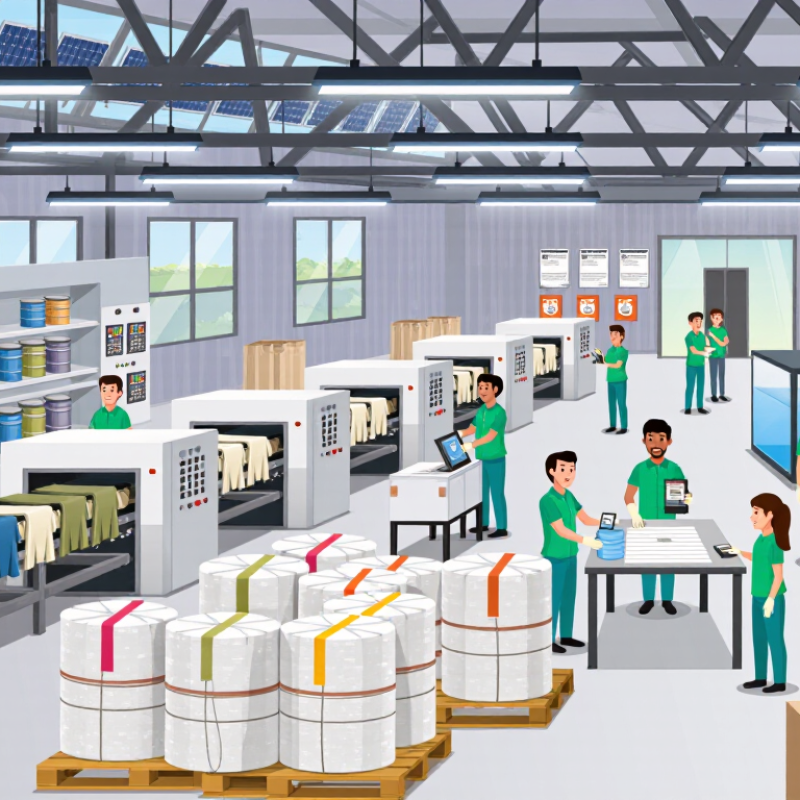
How to Find Eco Friendly Apparel Manufacturers?

Define Your Eco-Friendly Apparel Requirements

How to Find Eco Friendly Apparel Manufacturers?

Define Your Eco-Friendly Apparel Requirements

Before contacting manufacturers, define what “eco-friendly” means for your apparel project. Choose the main fiber, such as organic cotton, recycled polyester, linen, or a blended fabric. Record acceptable alternatives, because one material may become unavailable or exceed your budget.

Specify fabric weight, stretch, color range, sizing, and expected production volume. Include measurable targets for water use, recycled content, packaging, and waste reduction. If worker welfare matters, request information about workplace safety, wages, working hours, and independent social audits. Ask for current certificates and laboratory reports, not only marketing claims. Traceability should cover the fiber source, spinning, dyeing, cutting, and sewing stages.

Tips: Prepare a one-page requirement sheet. Add fabric swatches, a sample measurement chart, and your target price. Ask each factory the same questions. Compare evidence, not promises. Request shrinkage, colorfastness, and seam-strength tests before approving bulk production.

In practice, sustainable choices often involve compromises. A recycled blend may improve durability but reduce future recyclability. A low-impact dye may limit bright colors. My own planning has failed when I treated packaging as an afterthought. Discuss cartons, polybags, labels, and shipping materials early. Also confirm minimum order quantities, sample fees, lead times, and corrective-action procedures. Reliable manufacturers explain limitations clearly and update documents when requirements change. That honesty matters.

Research and Shortlist Sustainable Apparel Manufacturers

How to Find Eco Friendly Apparel Manufacturers?

Research and Shortlist Sustainable Apparel Manufacturers

Start with evidence, not attractive sustainability claims. Search for manufacturers using recycled, organic, or lower-impact fibers that match your product needs. Review their material certificates, factory audit records, and production policies. Check whether documents cover the actual facility, not only a trading office. That distinction matters.

Request fabric test reports, wastewater records, energy data, and worker welfare procedures. Reliable manufacturers should explain their supply chain clearly. Ask who spins the yarn, dyes the fabric, and handles finishing. Compare minimum order quantities, sampling fees, lead times, and quality-control steps. A low price may hide weak traceability or inconsistent materials. I would also request recent production samples. Photos can look convincing. Samples reveal more.

Tips: Build a shortlist of three to five factories. Use the same questions for each one. Verify certificates directly with the issuing organization when possible. Arrange a video tour or independent factory inspection. Record unanswered questions. They are useful warning signs.

Do not judge sustainability by one certificate alone. A factory may hold a valid standard yet struggle with waste reduction or delivery control. That does not automatically disqualify it, but it deserves a careful discussion. Ask for improvement targets and measurable progress. My own shortlist would include only manufacturers that answer plainly, share verifiable records, and accept reasonable scrutiny. Perfect sustainability claims should make you cautious. Real operations are usually more complicated.

How to Find Eco Friendly Apparel Manufacturers? - Research and Shortlist Sustainable Apparel Manufacturers

Shortlist Profile Primary Sourcing Region Suitable Product Categories Preferred Sustainable Materials Relevant Certifications to Verify Indicative MOQ Range Sample and Production Lead Time Environmental Management Evidence Social Compliance Evidence Traceability Requirements Key Due-Diligence Questions Initial Assessment
Shortlist Profile 01 South Asia T-shirts, sweatshirts, casual knitwear, jersey basics GOTS organic cotton GRS recycled polyester Recycled cotton GOTS for certified organic textiles; GRS for recycled content and chain of custody; OEKO-TEX STANDARD 100 for harmful-substance testing Approximately 300–1,000 pieces per style and color, depending on fabric and process Lab dips and samples: approximately 2–4 weeks; bulk production: approximately 8–14 weeks after approval Ask for recent wastewater-test results, chemical-management procedures, energy data, and documented waste-reduction targets Request a current social audit, worker grievance procedure, wage records, working-hour records, and corrective-action reports Require transaction certificates or equivalent documents for certified fibers, plus fiber-content testing where appropriate Can the facility identify the spinning, knitting, dyeing, and finishing locations? Are subcontractors disclosed and approved? Strong candidate after verification
Shortlist Profile 02 Southeast Asia Activewear, leggings, performance tops, recycled swimwear GRS recycled nylon GRS recycled polyester Dope-dyed yarns GRS for recycled inputs; bluesign or equivalent chemical-management evidence; OEKO-TEX STANDARD 100 for finished-product testing Approximately 500–2,000 pieces per style and color; technical fabrics may require higher minimums Development samples: approximately 3–5 weeks; bulk production: approximately 10–16 weeks Verify restricted-substance compliance, wastewater treatment, energy intensity, and controls for dyeing and finishing chemicals Check independent social audits, occupational-safety training, fire-safety records, and evidence of responsible recruitment practices Confirm recycled-content percentages, material certificates, production-site mapping, and lot-level documentation What percentage of recycled content is verified? How are elastane blends and material claims reported on product labels? Suitable for performance products
Shortlist Profile 03 Southern Europe Premium knitwear, tailored garments, small-batch collections Organic cotton European linen Responsible wool Lyocell GOTS, OCS, RWS, FSC or PEFC for relevant cellulosic inputs, and OEKO-TEX STANDARD 100 where applicable Approximately 100–500 pieces per style and color; price and capacity vary by construction Samples: approximately 2–6 weeks; bulk production: approximately 6–12 weeks Look for renewable-energy records, water-consumption data, local waste-management documentation, and certified material invoices Verify legal employment, collective-bargaining rights, workplace safety, and subcontractor controls Request country-of-origin information for fibers, yarns, fabrics, trims, and final assembly Can the facility provide production-site disclosure and evidence supporting origin, fiber content, and sustainability claims? Good for traceable premium collections
Shortlist Profile 04 East Asia Technical outerwear, seamless garments, recycled synthetic apparel Recycled polyester Recycled nylon Solution-dyed fabrics GRS, ISO 14001 for environmental management, ISO 50001 where available, and OEKO-TEX or equivalent chemical testing Approximately 1,000–5,000 pieces per style; automated or technical programs may require higher volumes Prototypes: approximately 4–8 weeks; bulk production: approximately 12–20 weeks Request ISO 14001 certification, factory energy and water metrics, emissions data, wastewater permits, and chemical inventories Review third-party audit findings, worker-safety records, wage documentation, and procedures for temporary or migrant workers Require digital or paper records linking recycled inputs to finished production lots Are environmental claims based on measured data? Are all finishing processes and subcontracted operations included in the assessment? Verify capacity and claim accuracy
Shortlist Profile 05 North Africa Denim, workwear, woven shirts, uniforms, cut-and-sew basics Organic cotton Recycled cotton Recycled polyester Low-impact denim processes GOTS or OCS for organic content; GRS for recycled content; ISO 14001; OEKO-TEX or equivalent product-safety testing Approximately 500–2,500 pieces per style and color Samples: approximately 3–6 weeks; bulk production: approximately 8–16 weeks Check water-use measurement, denim washing controls, wastewater testing, sludge disposal, and chemical-storage procedures Verify independent audits, legal wage compliance, working hours, worker representation, and health-and-safety systems Map fiber origin, yarn source, fabric mill, washing facility, and final assembly site What water-saving technologies are used? How frequently are wastewater and chemical records independently reviewed? Promising for woven and denim programs
Shortlist Profile 06 Latin America Organic basics, underwear, swimwear, resortwear, regional replenishment Organic cotton Recycled polyester Regenerated cellulose GOTS, GRS, Fair Trade Textile Standard where relevant, and OEKO-TEX STANDARD 100 Approximately 200–1,000 pieces per style and color Samples: approximately 2–5 weeks; bulk production: approximately 8–14 weeks Ask for water, energy, waste, and chemical data; verify whether dyeing is performed on-site or by an external mill Review worker contracts, wage records, occupational-safety procedures, and mechanisms for reporting abuse or harassment Confirm local and imported material percentages, certification scope, and documentation for each production stage Does the facility maintain a current list of approved suppliers and disclose all subcontracted cutting, sewing, dyeing, or finishing work? Suitable for transparent regional supply chains
Shortlist Profile 07 Any region with certified textile supply Small-batch capsule collections, deadstock products, upcycled garments Verified deadstock Reclaimed textiles Recycled fibers Organic fibers Material-specific certification where available; transaction records; OEKO-TEX testing for finished products; documented chain of custody Approximately 20–300 pieces per style, depending on available material quantities Samples: approximately 2–4 weeks; production: approximately 4–10 weeks, subject to material availability Evaluate material-inventory controls, cutting waste records, repair and reuse systems, and evidence that waste is not merely relabeled Confirm formal employment, safe working conditions, production capacity, and controls over home-based or outsourced labor Require dated inventory records, original material descriptions, composition testing, and transparent quantity reconciliation Is the material genuinely surplus or post-consumer waste? Can the supplier prove the quantity, origin, and composition of each lot? High potential; documentation is essential
Shortlist Profile 08 Any region without adequate verification Products marketed only with vague environmental claims Unverified recycled content Unspecified “eco” fabrics No recognized certification, no valid transaction records, or certificates that do not cover the relevant facility or product scope Any quoted MOQ should be treated cautiously until capacity and material documentation are confirmed Lead-time promises should not be accepted without written production capacity and sample-approval milestones No measurable water, energy, emissions, waste, or chemical-management data provided No independent audit, incomplete worker records, or refusal to disclose production locations No supplier mapping, no chain-of-custody evidence, and unsupported claims such as “green,” “natural,” or “sustainable” Can the supplier provide current certificates, issuing-body verification, test reports, factory addresses, and subcontractor disclosures? Do not shortlist until evidence is supplied
Use this table as a research and screening template. MOQ and lead-time figures are indicative market ranges, not guarantees. Certification scope, validity, facility coverage, material composition, and transaction documentation should be independently verified before placing an order.

Verify Materials, Certifications, and Supply Chain Practices

How to Find Eco Friendly Apparel Manufacturers?

When evaluating an apparel manufacturer, begin with the fiber, not the marketing language. Ask for the exact material composition, recycled content percentage, and source of each major component. Organic cotton should have valid certification records, while recycled fibers need chain-of-custody evidence. Request test reports for dyes, finishes, buttons, and packaging. Paper is not proof. Check certificate numbers directly with the issuing organization, including the facility name, address, scope, and expiration date.

Supply chain visibility matters just as much. Ask whether the factory owns production or uses subcontractors. Request a current facility list, wastewater records, worker safety procedures, and recent audit results. A responsible manufacturer should explain how it handles rejected garments, excess fabric, and chemical storage. Visit the facility when possible. Look for labeled chemical containers, ventilation, machine guards, and clean production floors. Details matter.

Do not treat one certification as a complete ethical guarantee. A certified material may still pass through a poorly managed factory. I once overlooked a small trimming supplier, and that gap weakened the entire verification process. That mistake changed my checklist. Now, I compare purchase records with shipment documents and ask suppliers to explain inconsistent figures. Their answers reveal more than polished brochures. Be willing to pause an order when evidence is incomplete. Eco-friendly claims should survive careful questions, not merely sound convincing.

Evaluate Samples, Quality Standards, and Production Costs

Finding an eco-friendly apparel manufacturer starts with evidence, not attractive claims. Request physical samples made from the proposed fabric, trims, thread, and labels. Compare hand feel, shrinkage, colorfastness, and seam strength after washing. I test one sample at home and send another to an independent laboratory when the order is important. Small details matter. A soft shirt can still twist after one wash. Ask for production samples, not only development pieces, because substitutions sometimes appear later.

Quality standards should be specific and measurable. Ask how the factory checks fiber content, needle damage, measurements, wastewater practices, and worker safety. Verify relevant third-party certifications directly through issuing organizations. Do not accept a logo alone. Request recent audit reports, corrective-action records, and batch-level material documentation. I also compare the approved sample with random pieces from a pilot run. This step can expose uneven stitching or inconsistent dye lots. My own mistake was trusting a polished sample without testing repeated washing. It looked excellent. It failed quickly.

Production cost needs a full breakdown. Request prices for fabric, cutting, sewing, finishing, packaging, testing, tooling, shipping, and minimum order quantities. A low quote may exclude testing or hide expensive rework. Calculate cost per wearable garment, not only the factory invoice. Recycled or organic inputs may cost more because of certification and traceability. Negotiate responsibly, but do not force unrealistic deadlines. Rushed production can increase waste and weaken inspection. Leave room for defects. That is often overlooked.

Select a Manufacturer and Monitor Ongoing Sustainability Performance

When selecting an eco-friendly apparel manufacturer, examine evidence rather than polished sustainability language. Request recent audit reports, material certificates, production records, and wastewater test results. Verify each document with the issuing body when possible. Then visit the facility, or hire an independent local assessor. Look beyond the cutting room. Ask workers about protective equipment, working hours, grievance channels, and wage payment practices.

A credible manufacturer can explain its fiber sources, dyeing process, energy use, and subcontracting controls. Subcontracting deserves special attention. Production may move quietly to an unapproved workshop during peak demand. Use a written supplier agreement with measurable targets, responsible contacts, corrective deadlines, and evidence requirements. Targets might include renewable electricity share, water intensity, waste diversion, and verified chemical management. Promises are not performance.

Monitor performance throughout production, not only during onboarding. Review monthly energy and water data, quarterly labor findings, shipment records, and incident reports. Compare results against the agreed baseline, investigate sudden improvements, and document every corrective action. An unexplained zero-waste claim is a warning sign. Data can be incomplete. That is normal, but repeated gaps should affect order allocation and trigger a new assessment. Keep the scorecard practical, and reassess it when materials, volumes, or subcontractors change.

FAQS

What evidence should an apparel manufacturer provide for eco-friendly materials?

Request exact fiber percentages and sources for every major component. Ask for certification records and chain-of-custody documents. Verify certificate numbers with the issuing organization. A logo alone proves little.

How can I check whether certifications are reliable?

Confirm the facility name, address, scope, and expiration date. Check records directly with the issuing organization. Request testing for dyes, finishes, buttons, and packaging. Paperwork can still contain gaps.

What should I inspect during a factory visit?

Look for labeled chemical containers, good ventilation, and guarded machines. Production floors should be clean and organized. Ask about wastewater, rejected garments, excess fabric, and chemical storage. Small details often expose larger weaknesses.

How can I test garment quality before placing an order?

Request physical samples using the proposed fabric, trims, thread, and labels. Test shrinkage, colorfastness, hand feel, and seam strength after washing. Compare the approved sample with random pilot-run pieces. One wash may reveal twisting or fading.

Why are production samples more important than development samples?

Materials can change after the development stage. Production samples show actual substitutions, stitching, and dye consistency. I once trusted a polished sample without repeated washing. It failed quickly.

What costs should an apparel manufacturer disclose?

Request separate prices for fabric, cutting, sewing, finishing, packaging, testing, and shipping. Include tooling, minimum quantities, and possible rework. Calculate the cost per wearable garment. A low quote may hide missing services.

How can I control subcontracting risks?

Ask whether the factory owns production or uses outside workshops. Request a current facility list and written subcontracting controls. Peak demand may move work quietly elsewhere. That risk needs regular checking.

How should sustainability performance be monitored after production begins?

Review energy and water data monthly. Check labor findings, shipment records, and incidents quarterly. Track corrective actions, waste records, and material documents. Repeated data gaps should affect future orders.

Conclusion

Finding the right eco-friendly apparel manufacturer begins with clearly defining your product requirements, including preferred fibers, design details, order quantities, target pricing, and environmental goals. Next, research potential suppliers and create a shortlist based on their experience, production capabilities, transparency, and commitment to responsible practices. Verify the origin of materials, relevant certifications, chemical management systems, labor standards, waste reduction efforts, and supply chain traceability before moving forward.

Request samples to assess construction, durability, comfort, and consistency, while also reviewing quality control procedures, lead times, minimum order quantities, and total production costs. After comparing the results, select a manufacturer that can meet both performance and sustainability expectations. A successful Eco-friendly apparel manufacturing partnership should also include clear communication, documented standards, regular inspections, and ongoing reviews of resource use, working conditions, material sourcing, and improvement efforts. Continuous monitoring helps ensure that sustainability remains part of everyday production rather than a one-time promise.


Julian

Julian

Julian is a highly experienced marketing professional dedicated to helping customers better understand the company’s products, services, and industry expertise. With a strong background in market research, content strategy, and customer communication, he combines creative storytelling with detailed......