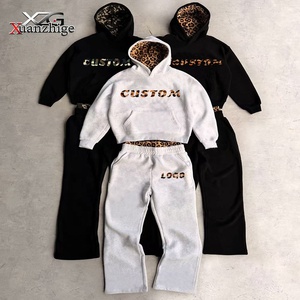
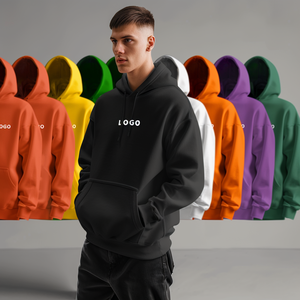
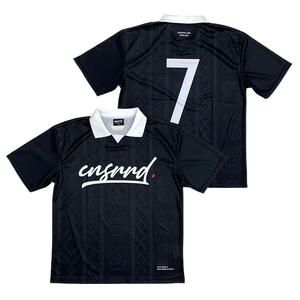
Explore our low-MOQ custom apparel manufacturing capabilities across denim, streetwear, tracksuits, and technical sportswear.

In modern global apparel procurement, securing a CE Certified custom denim manufacturer is no longer merely an option for specialized workwear or protective fashion—it has become the definitive benchmark for structural integrity, non-toxic eco-dyeing compliance (REACH Regulation EC 1907/2006), and mechanical durability. Navigating international regulatory frameworks requires apparel brands to move beyond surface aesthetics and align with factories that engineer denim at the molecular level.
True CE-compliant denim manufacturing encompasses stringent material testing parameters, including high tensile strength resistance (ISO 13934-1), seam burst testing (ISO 13935-2), color fastness to rubbing and washing (ISO 105-X12), and zero chemical hazardous discharge under OEKO-TEX Standard 100 Annex 6. When developing custom selvage denim, heavy-ounce work pants, or technical urban denim jackets, factory precision directly dictates product lifecycle metrics and brand reputation.
Our owned offshore manufacturing hub operates under strict UK account management, unifying European technical standards with low-MOQ flexibility. Below is the technical breakdown of our audited denim mill fabric specifications:
| Technical Metric | Standard Denim (Commercial) | CE Certified Heavyweight Denim | Testing Standard Compliance |
|---|---|---|---|
| Fabric Weight Range | 8.5 oz – 11.5 oz / sq yd | 12.5 oz – 16.5 oz / sq yd | ASTM D3776 / ISO 3801 |
| Warp Tensile Strength | > 450 N | > 950 N (High-Density Weave) | ISO 13934-1 / EN 17092-1 |
| Seam Tear Resistance | > 180 N | > 350 N (Reinforced Double Stitch) | ISO 13935-2 / EN 340 |
| Color Fastness (Wet Rub) | Grade 2-3 | Grade 4+ (Eco-Fixative Treated) | ISO 105-X12 |
| Chemical Safety | Standard Azo Dye Check | REACH Heavy-Metal Free & Zero Formaldehyde | EU Regulation 1907/2006 |
Every single batch of raw raw denim warp threads undergoes pre-weaving tension calibration to eliminate skewing and torque after garment washing. By integrating computerized automated laser cutting with precision hand-stitching on specialized chain-stitch denim machinery, we deliver zero-defect consistency across custom production runs.
Removing middleman markups while providing institutional UK legal accountability and end-to-end production control.
Scaling brands frequently encounter capital lockup when traditional overseas mills demand 500+ units per colorway. We break this bottleneck by offering genuinely fully-custom production starting from just 50 pieces per style—allowing brands to test market demand, launch tight capsule collections, and maintain healthy cash flow.
Our quality control does not happen at the shipping dock—it is embedded into every assembly line cell. We enforce a 4-tier check: raw fabric shade & strength inspection, line seam-integrity verification, full dimensional size-chart measurement auditing, and final AQL 2.5 carton packing audits prior to dispatch.
Do not have a completed tech pack? Our in-house technical designers convert raw moodboards, napkin sketches, or physical reference garments into production-ready CAD patterns, 3D digital avatars, and exact Bills of Materials (BOM), compressing prototyping lead times by up to 40%.
From initial concept review to international freight dispatch, every custom order runs through a standardized, fully documented manufacturing system designed to guarantee fit repeatability.
Concept evaluation, 3D digital fitting, tech pack creation, and BOM specification setup.
Master pattern cutting, size grading across XS-XXL, and shrink ratio calculations.
Custom yarn selection, Pantone indigo rope dyeing, and fabric strength testing.
Handcrafted physical sample development for fit approval, trim review, and wash verification.
Precision automated cutting, chain stitching, custom hardware attachment, and wash distressing.
Final needle-detector scanning, dimensional audit, steam pressing, and global courier dispatch.
The global denim market is undergoing a structural transformation driven by legislative mandates (such as the EU Corporate Sustainability Due Diligence Directive), changing consumer behavior, and rapid technological innovations in textile finishing. B2B apparel buyers and sourcing directors must adapt their supply chains to align with these critical macro trends over the next five years:
Traditional denim distressing relies heavily on stone-washing, potassium permanganate (PP) spraying, and intensive water usage (over 70 liters per jean). Next-generation CE certified factories are shifting entirely toward Ozone gas bleaching and 3D industrial laser engraving. Laser technology replicates vintage whiskers, honeycombs, and hand-scrapes with sub-millimeter precision in seconds, reducing water consumption by 92% and eliminating chemical exposure for factory technicians.
With global regulations pushing for circular fashion, demand for Global Recycled Standard (GRS) cotton blends is accelerating. Modern denim weaving allows up to 30-40% post-consumer recycled (PCR) cotton fibers to be blended with long-staple virgin cotton or Tencel™ Lyocell without compromising tensile strength. This achieves a soft handfeel, superior drape, and a dramatically reduced carbon footprint.
Urban lifestyle consumers demand authentic rigid-look denim that delivers dual-axis elastane comfort. Future fabric developments utilize dual-core spinning technology—wrapping cotton yarns around a polyester/spandex core—which prevents bagginess at knees and waistbands while maintaining the classic diagonal twill aesthetics of heavy 14 oz denim.
By 2027, the European Union will mandate Digital Product Passports for textiles sold within its borders. Forward-thinking brands are sourcing denim from factories capable of providing yarn-to-garment QR data—tracking farm-level cotton sourcing, water recycling metrics at the dye house, and certified lab results for chemical compliance.
Direct technical answers to common questions asked by brand founders, procurement leads, and product developers.
CE certification in garment manufacturing indicates that products meet specific European Health, Safety, and Environmental Protection standards. For specialized denim (including motorcycling protective apparel or heavy-duty workwear), this requires compliance with EN 17092 testing for abrasion resistance, tear strength, and seam burst resistance. Furthermore, it verifies that chemical processing adheres to REACH limits for non-carcinogenic dyes, heavy metals, and phthalates.
Working through traditional sourcing agents introduces opacity, inflated middleman commissions (15-30%), and fragmented communication. Hawthorn operates as a registered UK corporation with a Central London head office paired with our own overseas manufacturing facilities. You receive UK legal contract protection, native English account management, and direct factory-floor pricing without broker overheads.
Our standard minimum order quantity starts from just 50 pieces per design/colorway. While traditional denim mills require 500-1,000 units due to indigo dye bath setups, our flexible production line allows small-batch runs by utilizing pre-milled premium denim stocks or low-volume specialized dye vessels—making custom denim accessible for growing brands.
Yes. We offer complete OEM customization including acid wash, vintage enzyme wash, ozone bleaching, raw rigid finish, 3D whisker laser engraving, hand-distressing, custom embossed shank buttons, rivets, YKK/custom metal zippers, jacquard woven labels, and genuine leather waist patches.
Sample creation and pattern development generally take 2 to 4 weeks depending on the complexity of washes and tech packs. Once pre-production samples are approved, bulk manufacturing requires approximately 4 to 6 weeks. A dedicated merchandiser provides a strict milestone timeline prior to order deposit.
A formal tech pack is not required to start. You can provide physical reference garments, high-resolution sketches, or moodboards. Our technical fashion design team will develop a comprehensive spec sheet, pattern grading, and bill of materials (BOM) to ensure exact repeatability for future production runs.