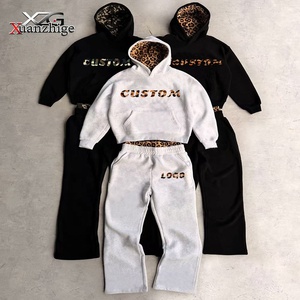
Explore our precision-engineered custom fleece lines, vintage acid-washed pullovers, tracksuits, and tech-fleece sets built to rigorous technical standards.

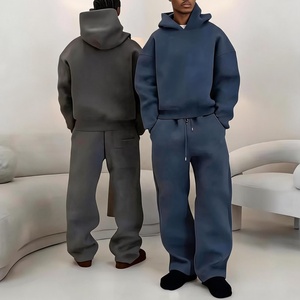
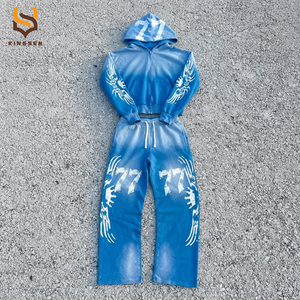
Navigating EU legislation, chemical compliance, and ergonomic durability standards for international brand distribution.
For high-visibility activewear, corporate workwear, or protective athletic sweatshirts, CE marking signifies adherence to essential health and safety demands. We maintain certified production lines capable of satisfying Category I and II Personal Protective Equipment specifications under EN ISO 13688 standards.
Every textile bath executed in our facility adheres strictly to REACH (EC 1907/2006) regulations. We guarantee that zero harmful heavy metals, phthalates, or banned AZO colorants are utilized. Independent lab test results (Intertek / SGS) are systematically integrated into each client's technical documentation package.
Our raw yarn and finished knit textiles undergo testing for up to 350 toxic chemicals. Whether crafting 100% organic cotton loopback French terry or high-density poly-fleece blends, our fabrics are verified safe for direct skin contact and hypoallergenic commercial distribution.
SEO Information Gain Insight: Genuine CE marking in custom sweatshirt manufacturing requires rigorous fabric dimensional stability tests (EN ISO 5077), color fastness against washing and perspiration (ISO 105-C06 / ISO 105-E04), and tear resistance metrics. Working directly with an owned-facility manufacturer prevents supply chain friction during customs inspections in the EU and UK markets.
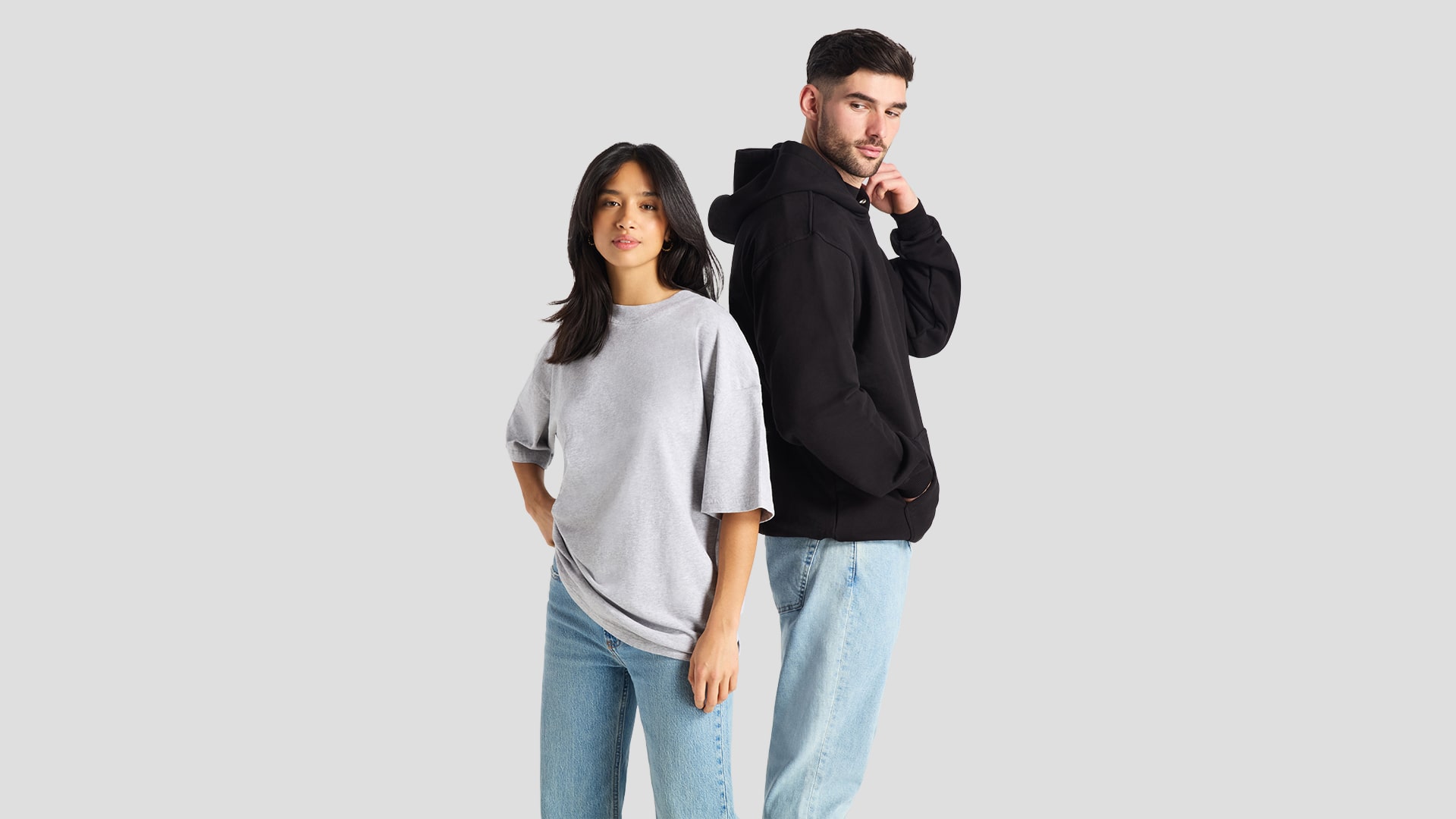
Most clothing suppliers operate purely as brokers or high-volume offshore houses with poor communication channels. Our hybrid structure provides brands with Central London account managers and UK contract law enforcement, alongside direct ownership of automated cutting and stitching lines overseas.
This allows us to maintain strict engineering control from 50-piece startup capsules up to multi-thousand unit seasonal drops.
Defects must be eliminated at the exact production step where they occur, rather than caught inside retail warehouses. Our standardized manufacturing process implements four distinct quality checkpoints:
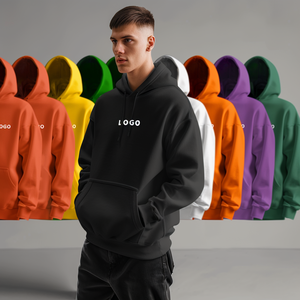
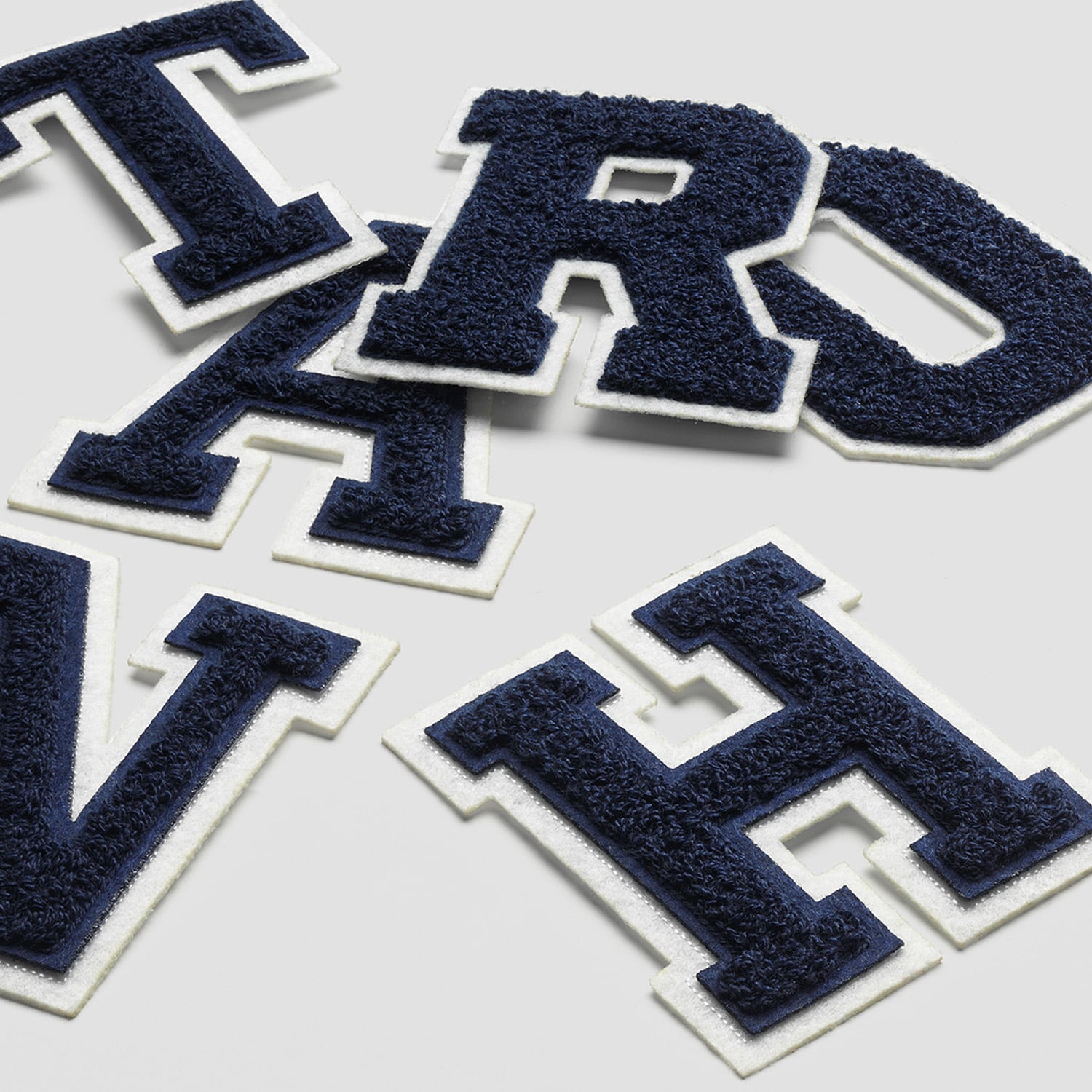
Modern streetwear and athleisure brands demand complex finishes that standard stock blanks cannot offer. We build every sweater from raw yarn or knitted grey fabric, providing full customization access:
How evolving European legislation, digital sampling tech, and circular textile economies are shaping global supply chain strategies.
By 2026, the European Union’s Ecodesign for Sustainable Products Regulation (ESPR) will mandate Digital Product Passports. Brands must disclose fiber origin, chemical treatments, and carbon footprints. Our supply chain maps yarn-level traceability into your technical tech packs to ensure full compliance before import enforcement.
Physical sampling cycles historically cost apparel brands 4–6 weeks per iteration. Utilizing CLO3D and CAD twin simulations, we render digital garment fittings on realistic human avatars, allowing instant revisions of ribbing dimensions, print placements, and fabric draping before physical master samples are cut.
The apparel industry is shifting away from virgin polyester. Modern CE-compliant sweatshirt procurement relies on mechanical recycled cotton (Post-Industrial Waste) blended with GRS-certified (Global Recycled Standard) rPET. These blends achieve superior tensile strength while lowering water consumption by up to 65%.
Technical silhouettes, functional utility additions, and aesthetic transformations defining high-growth streetwear and activewear lines.
Consumer demand has stabilized around high GSM (400-500 GSM) cut-and-sew hoodies featuring extreme drop-shoulders, wide chest dimensions, and shortened waist hems. Seamless double-layered hoods that stand upright without collapsing are now an industry standard for luxury streetwear brands.
Bridging traditional casual loungewear and technical outerwear, hybrid hoodies feature DWR (Durable Water Repellent) coated nylon overlays on elbows and chests, bonded fleece linings, concealed waterproof YKK zippers, and adjustable elastic bungee cords.
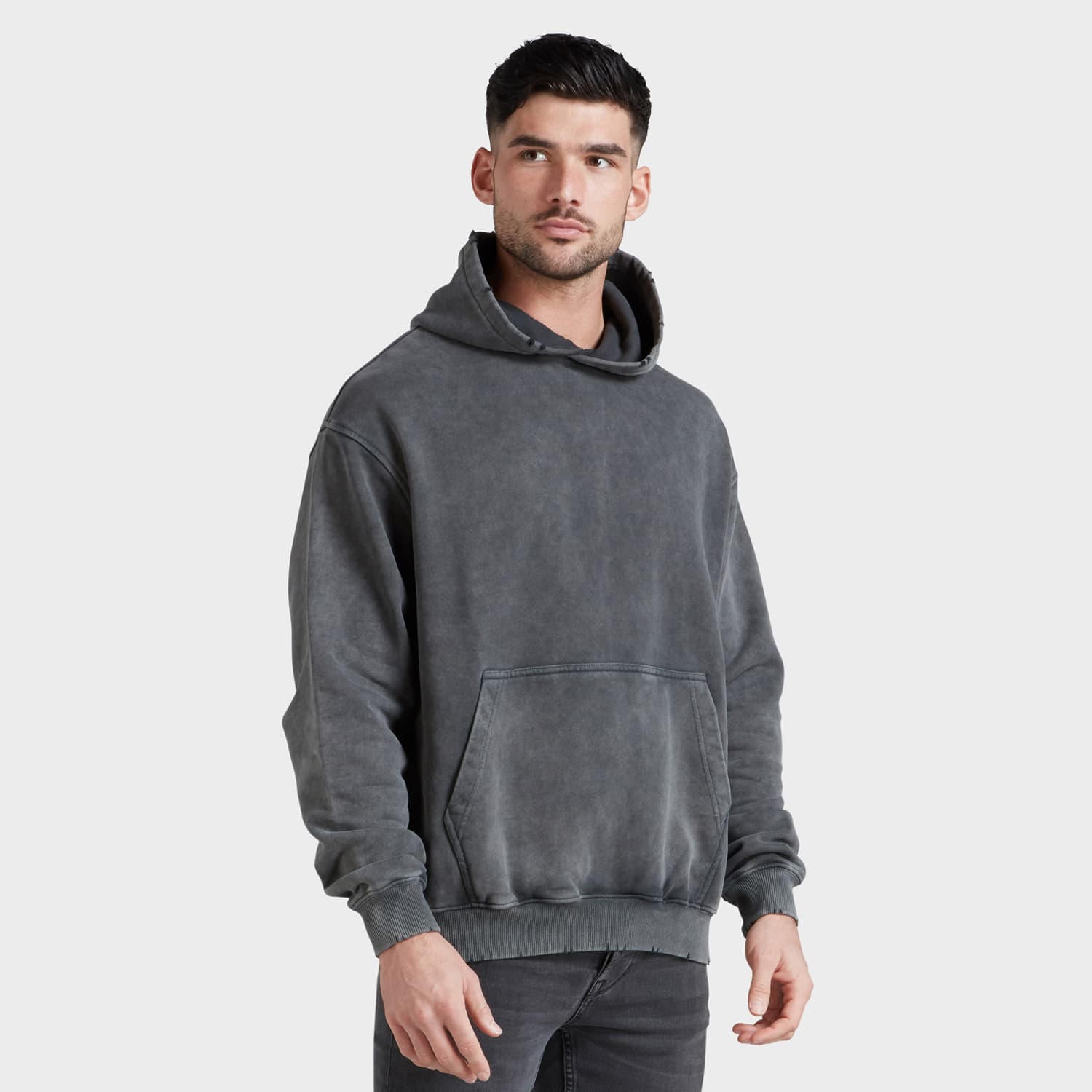
Raw-edge hems, laser-engraved wear marks, stone washing, and hand-applied paint splatters create unique single-piece aesthetics. Acid washes combined with soft silicone washes yield ultra-soft handfeels alongside retro vintage visual textures.
Direct answers to crucial commercial, technical, and regulatory questions from enterprise buyers and independent fashion founders.
CE Certification for sweatshirts applies when garments are sold as Personal Protective Equipment (PPE Regulation 2016/425 Category I or II) or commercial workwear requiring high visibility, flame retardancy, or chemical safety. CE compliance requires independent laboratory testing for EN ISO 13688 (general clothing safety), mechanical tear/abrasion strength, non-toxicity under REACH, color fastness, and permanent CE trace labeling on inner care tags.
Our MOQ starts at 50 pieces per design. Unlike factories requiring 500+ units, we allow brands to split their 50-piece minimum across standard sizing scales (e.g., S to XXL). For custom fabric dyeing to exact Pantone TCX references or custom-knitted Jacquard ribbing, fabric mill minimums may apply, which our merchandising team transparently outlines during tech pack review.
Yes. If you do not possess a formal CAD tech pack, our in-house pattern masters can translate physical reference garments, sketches, or digital mockups into factory-ready technical packs. This includes drafting full Bill of Materials (BOM), measurement tolerance charts, construction seam specifications, and size scale grading (Alpha or Numeric sizing).
French Terry features un-brushed loops on the interior face, making it highly breathable, moisture-wicking, and ideal for year-round activewear (typically 300 to 420 GSM). Brushed Back Fleece undergoes a mechanical brushing process that naps the interior loops into a soft, fluffy insulation layer, maximizing thermal retention for winter drop apparel (350 to 500+ GSM).
Technical pattern development and initial physical sample dispatch typically take 2 to 4 weeks. Once the physical pre-production sample is approved by your team, bulk cut-and-sew manufacturing requires approximately 4 to 6 weeks, depending on order volume, custom print/embroidery complexity, and specialized washing treatments.
We provide Flexible Commercial Terms including EXW, FOB, DDP (Delivered Duty Paid), and DAP. Under DDP terms, our freight logistics handles all customs clearances, import tariffs, and local courier delivery directly to your distribution hub in the UK, EU, USA, Australia, or UAE, eliminating unexpected charges.
Consult with our UK merchandising team to review your design tech packs, request custom fabric swatch books, or receive an exact factory direct quote within 24 hours.
Send an Inquiry