
Tracksuit Set
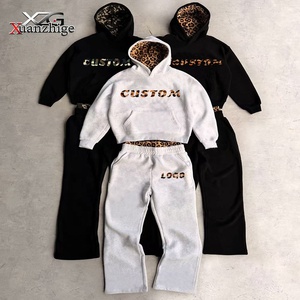
Explore our export-ready custom tracksuits, heavyweight fleece hoodies, and technical activewear manufactured with zero-VOC screen printing and 4-stage AQL quality assurance.
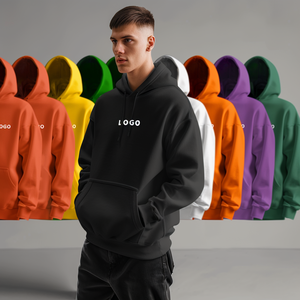
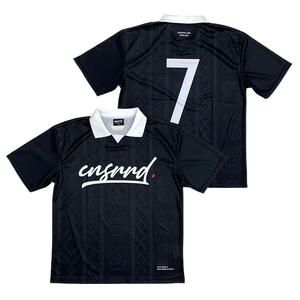

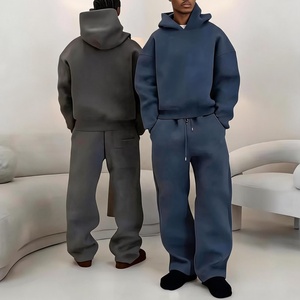
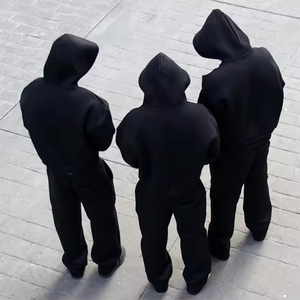
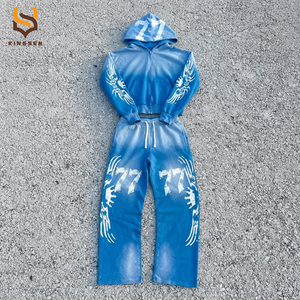
A comprehensive examination of CE-certified textile screen printing, sustainable chemistry, and offshore OEM agility governed by UK corporate oversight.
Navigating global regulatory compliance requires strict chemical audits. Our screen printing process exclusively deploys water-based, non-phthalate plastisol, and discharge inks aligned with CE standards, REACH Annex XVII, and OEKO-TEX Standard 100.
Eliminate physical sampling iterations and reduce time-to-market. Our design engineers translate initial concept sketches or physical benchmark garments into precision 3D CAD models, graded size spec matrices, and production-ready tech packs.
Quality standardization is maintained through a proprietary 4-stage inspection mechanism. We eliminate defect propagation at the point of origin, ensuring consistent seam strength, ink deposition, and dimensional stability across bulk drops.

Sourcing directly from overseas factories often presents severe friction points: misaligned communication, ambiguous legal protections, and inconsistent quality control. Hawthorn International eliminates the middleman broker layer by combining a Central London headquarters with an owned, state-of-the-art overseas garment manufacturing facility.
This structural synergy guarantees that UK contract law, native English-speaking project merchandisers, and transparent pricing govern your enterprise orders. Simultaneously, your garments benefit from competitive labor pricing and specialized screen printing technologies directly on our production floor.
Traditional industrial screen printers demand order volumes starting at 500 to 1,000 units per colorway, freezing cash flow for emerging fashion houses and streetwear brands. Our specialized production lines are re-engineered to support true custom manufacturing from just 50 pieces per design.
Whether you require multi-color automatic carousel screen printing, high-density 3D silicone puff prints, or complex vintage acid washes, your low-volume runs receive the exact same chemical rigor, custom fabric knitting options, and master pattern grading applied to 10,000-unit enterprise drops.
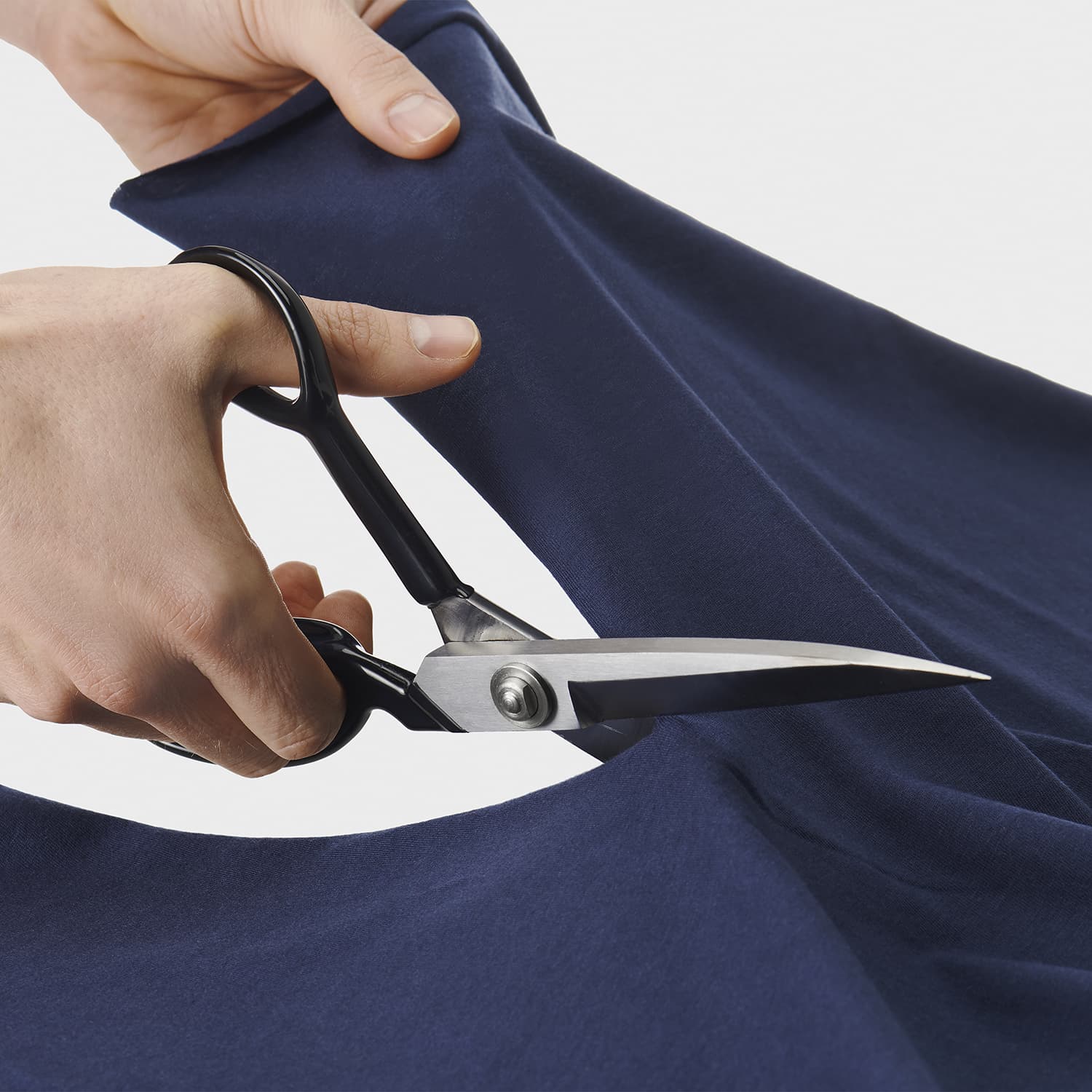
An engineering benchmark comparing textile decoration techniques, curing protocols, wash durability, and CE regulatory compliance scores for B2B procurement officers.
| Printing Chemistry | Handfeel & Texture | Wash Durability (ISO 105-C06) | CE & REACH Compliance | Optimal Fabric Substrates |
|---|---|---|---|---|
| Water-Based Discharge Ink | Ultra-Soft / Zero Handfeel | 50+ Home Laundering Cycles | 100% Certified (Zero VOCs) | 100% Ring-Spun Cotton, French Terry |
| High-Density Plastisol (Non-Phthalate) | Structured 3D Relief / Matte | 60+ Heavy Duty Cycles | CE Compliant (Phthalate Free) | Cotton/Poly Blends, Heavy Fleece |
| Silicone 3D Embellishment | Rubberized / High Elasticity | 75+ Athletic Stretch Cycles | Medical & Apparel Grade CE | Nylon, Spandex, Performance Activewear |
| Sublimation Transfer | Breathable / Embedded | Indefinite (Fade Resistant) | CE Eco-Passport Certified | 100% Technical Polyester, Soccer Jerseys |
| Acid & Vintage Wash Inks | Distressed / Aged Patina | 40+ Washes (Evolves Gracefully) | CE Neutralized Chemical Standard | Heavyweight 450GSM Cotton Fleece |
How automation, eco-regulatory mandates, and consumer preferences for heavyweight fabrics are reshaping the international textile supply chain.
Global buyer demand has decisively migrated from lightweight 180GSM fabrics toward ultra-heavyweight 400GSM to 500GSM French Terry and brushed fleece. Screen printing on high-density knits requires advanced flash-curing calibrations and high-tension aluminum mesh screens to prevent ink bleed and maintain crisp halftone registration.
Import regulations across the European Union and North America are tightening around textile dyeing and chemical finishing. Exporters who lack certified non-toxic ink formulations face severe customs impounds. Implementing closed-loop water filtration and bio-degradable screen cleaning solvents is no longer optional—it is a baseline prerequisite for commercial import compliance.
The traditional fashion calendar of two monolithic yearly drops has been replaced by continuous micro-capsule releases. Brands now utilize test-and-repeat models: commissioning an initial low-MOQ run of 50 to 100 units, gathering real-time point-of-sale data, and issuing automated 1,000-unit repeat purchase orders within 3-week production windows.
Clear, direct answers regarding custom screen printing, CE compliance, lead times, and factory protocols.
CE certification in textile screen printing ensures that all ink formulations, cross-linkers, plastisol resins, and pretreatment chemicals comply strictly with European safety, health, and environmental protection directives. This guarantees garments are free from restricted aromatic amines, heavy metals, and toxic phthalates.
We operate specialized low-volume production lines alongside our high-speed automated carousels. By utilizing quick-change pneumatic screen clamps and digital laser registration systems, we minimize setup downtime, making 50-piece runs commercially viable and cost-effective.
Yes. Our laboratory uses computerized Pantone Matching System (PMS) ink mixing stations. We formulate custom ink recipes tailored to the specific substrate composition (cotton, poly blend, nylon) to achieve a 99.8% spectrophotometer color match accuracy.
Pattern development, 3D prototyping, and physical sample production typically require 2 to 3 weeks. Once the sample is approved, bulk manufacturing and quality auditing take 4 to 6 weeks depending on custom fabric knitting or vintage wash requirements.
While tech packs streamline the quoting phase, they are not mandatory. You can provide physical benchmark garments, mood boards, or detailed sketches. Our in-house design engineering team will construct complete tech packs, size grading charts, and BOM documentation for you.
We execute a 4-stage quality control protocol: inspecting incoming raw fabrics for skewing and shading, performing in-line registration and opacity audits during printing, conducting post-curing rub/wash friction tests, and performing a final AQL 2.5 carton audit before packing.
Consult with our UK merchandising team to discuss your upcoming collection, review technical fabric specifications, and secure scalable manufacturing solutions.
Contact Us