Explore our export-grade embroidery capabilities ranging from high-density 3D puff badges to tactile chenille flocking and bespoke streetwear embellishments.
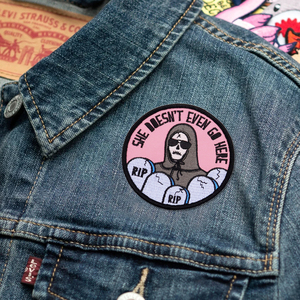
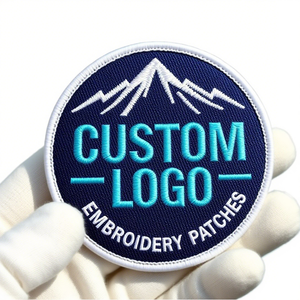
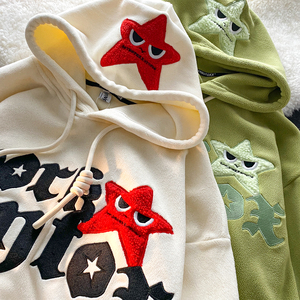
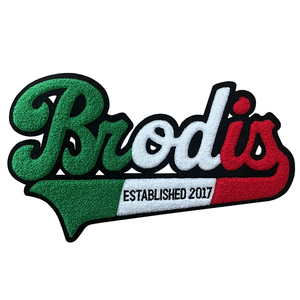
In the modern textile supply chain, choosing the right custom embroidery partner requires moving past traditional sourcing intermediaries and connecting directly with technical manufacturing facilities. As a leading China custom embroidery manufacturer and global exporter, we bridge the gap between high-end fashion design concepts and scalable, factory-floor execution. By controlling the entire manufacturing loop—from raw yarn spinning and custom dyeing to digital vector embroidery punching and final garment assembly—we guarantee uncompromising structural integrity across every stitch.
Unlike third-party sourcing brokers who outsource orders to fragmented workshops, our facility operates under a centralized quality management system. Whether you are an emerging streetwear designer testing a 50-piece capsule collection or an established retail brand ordering 10,000 units per month, your order follows an identical, audited production workflow under strictly enforced UK and international contract standards.
We empower independent start-ups and scaling fashion labels by lowering financial risk. Test custom embroidery cut-and-sew designs starting at just 50 pieces per artwork without sacrificing commercial unit pricing.
Every batch undergoes zero-defect inspection: (1) Raw Yarn & Fabric Shade Check, (2) In-Line Tension & Punch Audit, (3) Dimensional Tolerance Measurement, and (4) Pre-Pack Needle Scan & Trim Clearance.
No technical specification sheet? Our team translates basic vector graphics, raster sketches, or physical reference garments into high-precision Wilcom DST embroidery files with perfect density and pull compensation.
Achieving superior structural stability and visual depth requires selecting the appropriate thread denier, backing stabilizer, and embroidery technique for your specified substrate fabric. Below is a engineering breakdown of our standard export production options:
| Embroidery Style | Recommended Thread / Material | Density Range (Stitches/mm²) | Backing Stabilizer Type | Optimal Fabric Substrate |
|---|---|---|---|---|
| 3D High-Density Foam Puff | 120D/2 High-Tenacity Polyester | 4.5 – 6.0 (High Density) | Heavy Cutaway Non-Woven + EVA Foam | Heavy Cotton Twill, Snapbacks, Hoodies (350+ GSM) |
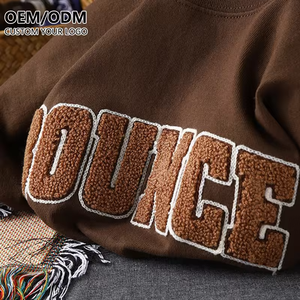
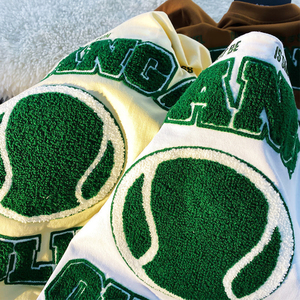
| Tactile Plush Chenille | Acrylic / Cotton Blend Slub Yarn | Loop Height 3mm – 8mm | Thick Rigid Felt Backing | Varsity Jackets, Oversized Sweatshirts, Fleece |
| Flat Precision Micro-Stitch | 75D/2 Rayon / Viscose Filament | 3.0 – 4.2 (Standard) | Tearaway Soft Stabilizer | Fine Jersey T-Shirts (180-240 GSM), Dress Shirts |
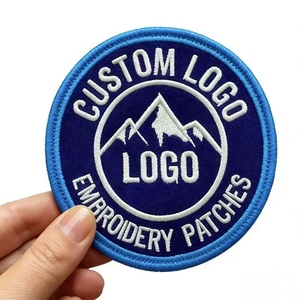
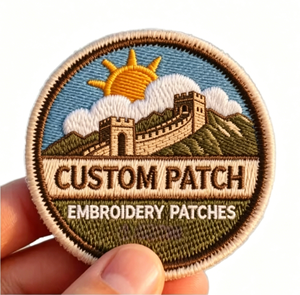
| Metallic Gold / Silver Crests | Polyester-Core Metallic Foil Thread | 3.8 – 5.0 (Controlled Friction) | Reinforced Cutaway + Fuse Film | Luxury Streetwear, Outerwear, Morale Badges |
| Eco-Friendly Recycled Badges | 100% GOTS Organic Cotton / rPET Thread | 3.5 – 4.5 (Sustainable) | Biodegradable Cellulose Backing | Eco-Conscious Apparel, Canvas Tote Bags, Sustainable Caps |
The global custom garment decoration industry is undergoing a structural transformation driven by digitizing software automation, eco-regulatory mandates, and hybrid printing-embroidery technologies. Sourcing executives and apparel brand procurement managers must align with manufacturers adopting these critical industry evolutions:
Modern streetwear fashion demands complex visual textures. The market is rapidly shifting from plain flat stitching toward hybrid combinations of Direct-To-Garment (DTG) print, flocking, and 3D puff embroidery. This multi-layered technique adds tactile depth that counterfeiters cannot replicate.
With global ESG standards and European textile durability directives taking effect, export manufacturers are upgrading to GOTS-certified organic cotton threads and GRS-compliant recycled polyester (rPET) derived from post-consumer plastics, paired with water-soluble backing films.
Next-generation Tajima and Barudan multi-head computerized machinery now integrate AI-assisted digitizing routines. This technology automatically calculates stitch pull-compensation based on fabric elasticity, reducing thread breakages by over 40% and ensuring razor-sharp lettering accuracy down to 3mm font heights.
From initial design concept to final door-to-door air freight shipping, every customer project follows an auditable, transparent milestone schedule:
Submit vector files (AI, EPS, PDF) or high-res images. Our engineering team reviews stitch viability, fabric weight compatibility, and color swatches.
We generate precise embroidery files (.DST / .EMB), setting stitch paths, densities, underlay structures, and tension parameters for specified machines.
A physical pre-production sample is embroidered and photographed for high-resolution approval, or shipped via express courier prior to bulk setup.
Once approved, raw fabrics are cut per pattern specifications and high-tenacity embroidery threads are color-matched via Pantone TCX reference cards.
Orders are produced across 20-head automated Tajima machinery lines operating under continuous stitch monitoring and automated thread trimming.
Garments or patches are inspected, jump-threads trimmed, needle-scanned for safety compliance, vacuum packed, and dispatched worldwide.
Get immediate, transparent technical answers to common apparel procurement and custom embroidery manufacturing questions.
.DST or .EMB digitizing files, calculating thread colors, density paths, and stitch angles automatically.
Connect directly with our UK-managed merchandising and technical production team today. Receive instant tech pack evaluations, low MOQ quotes, and fabric swatches.