In the contemporary global apparel marketplace, navigating fashion procurement requires balancing high-precision garment engineering, aggressive time-to-market metrics, and low minimum order quantity (MOQ) flexibility. China remains the undisputed global nexus of apparel manufacturing, offering unprecedented supply chain depth, raw material accessibility, and advanced machinery. However, for emerging brands, fashion start-ups, and established SMEs, the strategic imperative is no longer merely finding a manufacturing partner, but partnering with a vertically integrated offshore producer capable of delivering luxury-grade cut-and-sew quality under transparent technical specifications.
This comprehensive industry analysis serves as an authoritative guide to sourcing custom streetwear, heavyweight sportswear, activewear, and bespoke knitted garments from top-tier Chinese apparel production lines. Grounded in Google E-E-A-T standards (Experience, Expertise, Authoritativeness, and Trustworthiness) and Search Quality Rater Guidelines, this document outlines technical benchmarks, quality control protocols, and strategic procurement frameworks designed to scale fashion labels seamlessly from 50-piece capsule drops to full-scale enterprise runs.
Explore our flagship custom garment categories. Built to exacting customer specifications with premium combed cottons, heavyweight fleece, technical nylon, and custom acid-wash finishes. Every piece includes technical pattern grading, full trim customization, and stringent 4-stage quality control.
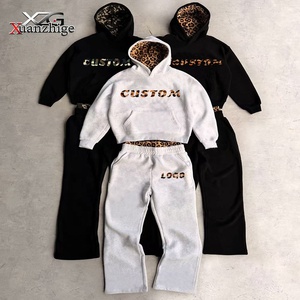
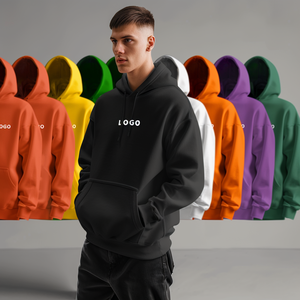
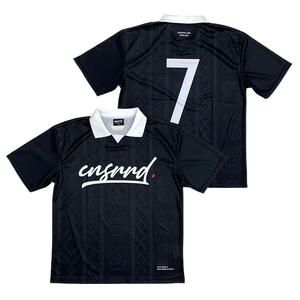

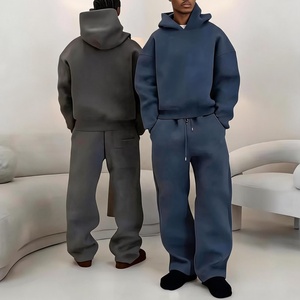
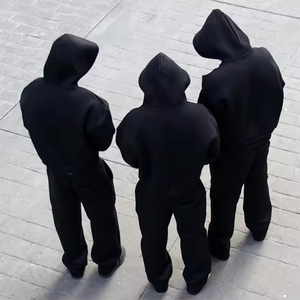
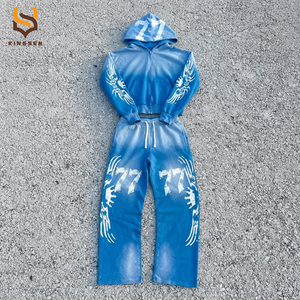
Sourcing apparel internationally can present operational friction if managed through third-party agents or unverified trade brokers. The ideal manufacturing ecosystem combines localized project management, clear contractual protection, and overseas factory control. This structure yields distinct competitive advantages for scaling apparel lines:
Traditional Asian garment mills demand minimum order quantities of 500 to 1,000 units per colorway, trapping start-up capital in unproven inventory. By structuring production lines for micro-batch agility, orders starting from 50 pieces per style receive full technical cut-and-sew customization. This mitigates inventory overstock risks while facilitating fast market testing.
Quality assurance is embedded throughout every step of production. Garments undergo rigorous inspection: Stage 1: Raw Fabric & Color Shade Inspection; Stage 2: In-Line Seam Integrity Audit; Stage 3: Measurement Tolerance Check against Graded Specs; Stage 4: Final Pre-Packing Inspection ensuring zero defect leakages.
Brand founders often start with conceptual sketches or physical reference garments rather than standardized tech packs. In-house pattern makers digitize design concepts, construct precise sizing curves, generate complete bills of materials (BOM), and create 3D virtual fittings to streamline pre-production approvals.
Many international brands inadvertently source through middle agents, adding 25%-40% cost markups and introducing communication gaps regarding sizing specs and fabric composition. By working directly with an owned production facility in China featuring localized account management, you retain technical oversight, secure legal IP ownership over custom patterns, and achieve true ex-factory unit economics without middleman markups.
Understanding the operational parameters between standard stock garment embellishers, traditional mass-production Asian factories, and flexible OEM/ODM Chinese suppliers is critical for supply chain planning.
| Evaluation Parameter | Print-On-Demand / Stock Blanks | Traditional Asian Mass Factory | Flexible Chinese OEM/ODM Factory |
|---|---|---|---|
| Minimum Order Quantity (MOQ) | 1 - 10 Pcs | 500 - 2,000 Pcs per color | 50 Pcs per design |
| Fabric & Pattern Customization | Pre-made Blanks Only | Full Custom (High Cost for Low Runs) | Fully Custom (Custom Dye, Knit & Fit) |
| Tech Pack & Pattern Assistance | None | Requires Completed Spec Sheets | In-House Digitization & 3D Sample Development |
| Quality Control Standard | Basic Visual Spot Check | Standard Batch Audit (AQL 4.0) | Rigorous 4-Stage Precision Audit (AQL 2.5) |
| Sample Development Lead Time | 3 - 5 Days | 30 - 45 Days | 14 - 21 Days |
| Unit Production Cost Efficiency | High Unit Cost (Low Margin) | Low Unit Cost (High Capital Lockup) | Optimized Unit Cost & Flexible Cash Flow |
The global textile and apparel manufacturing sector is undergoing a massive shift driven by technological innovations, evolving consumer demands, and heightened sustainability mandates. Forward-thinking brand directors must align with suppliers adopting these operational models:
Physical sample iterations historically consumed up to 30% of total product development timelines. Using advanced 3D garment CAD software (CLO3D, Browzwear), digital cloth rendering allows designers to visualize fabric drape, stress points, and pattern grading in real time. This reduces sample iterations from 4 rounds down to 1 gold sample approval, shaving weeks off pre-production.
Global regulatory frameworks and consumer preferences are making eco-certified fabrics essential. Modern Chinese mills lead the market in Global Recycled Standard (GRS) polyester, GOTS-certified organic cotton, bamboo viscose, and closed-loop modal fabrics. Zero-discharge water dyeing techniques and eco-certified reactive inks are quickly becoming standard practice for high-end streetwear and sportswear production.
Silhouettes in urban fashion continue to favor structured, heavyweight fabrics. Demand has shifted from lightweight cotton blends toward 380 GSM to 500 GSM loopback French Terry, combed fleece, and technical bonded materials. Achieving structured volume without sacrificing breathability requires specialized circular knitting machinery and precise washing processes like mineral and acid washes.
From early concept mapping to global logistics, a structured manufacturing workflow maintains consistency across initial drops and high-volume repeat runs.
Design concepts, mood boards, or physical garments are evaluated. Our technical team generates comprehensive tech packs, graded measurements, and bill of materials specs.
Master patterns are drafted for each target size. Digital grading ensures proper fit proportions across small to multi-XL size ranges.
Raw yarn and textiles are sourced or custom-knitted to match requested weight (GSM) and handfeel. Lab dips are dyed to exact Pantone color codes for approval.
A physical pre-production sample is constructed, branded, and delivered to your team for fit verification, fabric testing, and finish sign-off.
Upon sample sign-off, bulk fabric is cut via automated laser tables and stitched on tailored production lines under continuous quality monitoring.
Garments pass complete AQL 2.5 final inspections, custom tagging, folding, polybag packing, and direct dispatch via air or ocean courier networks.
Our garments are produced in our specialized overseas facility in China, supported by localized account management. This structure combines responsive communication and clear contractual protection with the cost-efficiencies of a dedicated production line. Every batch undergoes a strict 4-stage quality audit covering raw fabric verification, in-line stitching inspections, dimensional tolerance checks against graded spec sheets, and final pre-packaging audits (AQL 2.5 standard).
Our standard MOQ starts from just 50 pieces per design. This allows brands to customize fabric selection, garment fit, custom dyeing, printing, embroidery, and private-label packaging without tying up capital in massive inventory runs. Specialized fabric knits or custom Pantone dyeing may adjust minimums based on mill requirements, but alternative stock-dye options are always provided.
While a finished technical pack accelerates quoting, it is not strictly required. If you only have hand sketches, design mockups, or physical reference garments, our in-house design engineering team can build your complete technical pack, graded size charts, and bill of materials (BOM) to ensure repeatable bulk manufacturing standards.
Pattern engineering and sample development typically take 14 to 21 days. Following gold sample approval, bulk manufacturing requires approximately 4 to 6 weeks depending on style complexity, custom fabric knitting, or specialized embellishments. Milestone schedules are locked in with your account manager before production commences.
Every garment is fully custom manufactured to order based on your unique patterns, fabric specifications, color palettes, and brand trims. We also offer pre-engineered foundational fit blocks (heavyweight tees, drop-shoulder hoodies, flared joggers) that can be produced to order, saving pattern development time while allowing full customization of fabric weights, dyeing, and branding.
We enforce non-disclosure agreements (NDAs) and IP protection protocols. Your custom patterns, technical packs, artwork, and proprietary fit specifications remain your exclusive property and are never reused, white-labeled, or shared with third-party brands.