Explore our high-performance OEM custom garment lines, engineered with premium GSM textiles, bespoke cut-and-sew patterns, and precision surface decorations for global apparel brands.
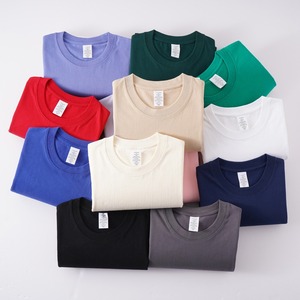
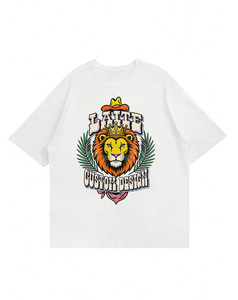
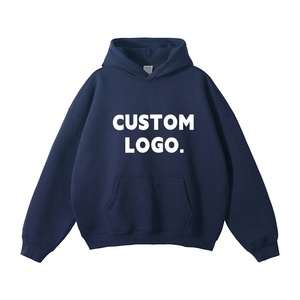
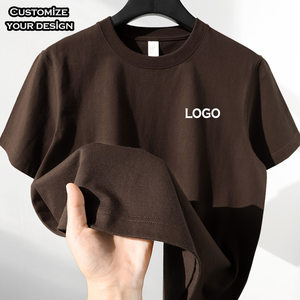
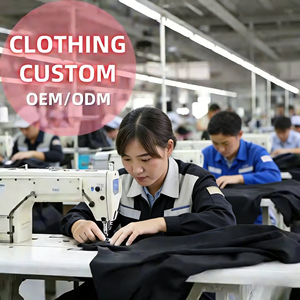

De-risking the apparel supply chain through transparent UK commercial management paired with specialized offshore production facilities.
Sourcing garment manufacturers often presents a difficult trade-off for emerging brands and established SMEs: choosing between high-cost domestic manufacturers with limited operational scope, or navigating overseas factories characterized by communication barriers, legal opacity, and inconsistent quality control. Our integrated manufacturing framework resolves this industry bottleneck.
Headquartered in Central London, UK (operating under strict UK contract governance and company regulations), our organization bridges corporate transparency with the cost efficiency of our dedicated overseas manufacturing center. This dual-structure guarantees that your brand receives native English-speaking account management, rapid technical communication, and legally enforceable IP protection while capturing the unit-cost economies of direct production ownership.
Every order undergoes raw textile inspection, in-line stitching validation, dimensional size-chart auditing, and pre-packaging multi-point inspection to eliminate defect leakage.
Test market demand, drop limited capsule collections, and protect working capital with low minimum order quantities starting from 50 pieces per style/colorway.
No tech pack? Our in-house technical designers convert physical reference garments, sketches, or mood boards into production-ready CAD patterns and tech specs.
To eliminate execution discrepancies and ensure absolute consistency between the approved prototype and bulk fulfillment, we follow a standardized 6-stage production framework:
Digital 3D fit visualization to validate seam drape, proportion, and design intent prior to cutting fabric.
CAD pattern development and precision grading across your brand's specific size spectrum (XS to 5XL).
Custom yarn knitting, GSM selection, handfeel treatment, and Pantone DTM reactive dyeing.
Creation of a physical pre-production prototype incorporating trims, labels, prints, and hardware for approval.
Hand-cut paneling, skilled artisan sewing line assembly, and in-line technical measurement checks.
Final audit against spec sheet, custom packaging, tagging, and insured door-to-door global freight.
Analysis of shift in global fashion sourcing, supply chain elasticity, and textile engineering for the next decade.
Traditional OEM manufacturing paradigms demanded 1,000+ unit MOQs per colorway, locking up vital capital in unverified inventory and introducing massive mark-down risks. Modern apparel procurement strategy prioritizes Supply Chain Agility. By leveraging micro-batching capabilities (50–100 unit starting thresholds), brands can deploy high-frequency product drops, gather real-time consumer data, and reorder winning SKUs on short lead times. This model drastically minimizes deadstock, maximizes sell-through rates, and optimizes inventory turns.
Global regulatory landscapes, including EU digital product passports and US textile compliance mandates, are forcing apparel brands to audit their raw material origin. Future-proof procurement requires direct access to certified organic cottons (GOTS), recycled polyester synthetics (GRS), and non-toxic, OEKO-TEX® Standard 100 approved dye chemistries. OEM partners must maintain verified supply chains that provide documented material traceability from raw fiber to finished garment package.
Physical sample iterations historically consumed up to 30% of pre-production timelines. The integration of 3D CAD draping simulation allows brands to adjust garment proportions, stress points, print placements, and stitch tolerances in a virtual environment before a single yard of fabric is cut. This technical integration accelerates time-to-market by up to three weeks while drastically cutting sampling costs and fabric waste.
An in-depth look at textile specs, surface customization physics, and silhouette evolution driving premium apparel brands.
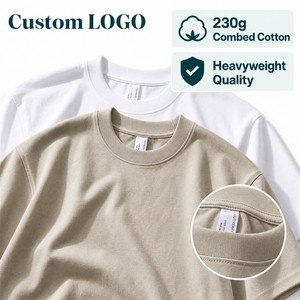
The consumer market has shifted decisively toward substantial handfeel and structural integrity. T-shirt weights have evolved from light 140 GSM single jerseys to ultra-heavyweight 230–300 GSM combed cottons. Fleece garments now routinely push 400 to 500 GSM French Terry and brushed back fleece formats. High-density knits deliver superior drape, increased thermal retention, and enhanced product longevity.
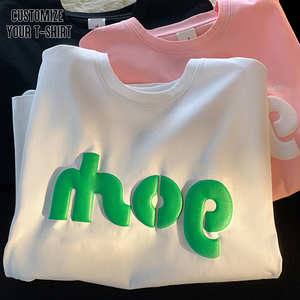
Flat screen printing is increasingly augmented by tactile, multi-dimensional decorating techniques. High-density 3D puff silicone inks, chenille applique, direct-to-film (DTF) photographic transfers, and high-stitch-count metallic thread embroidery are routinely layered on a single garment to construct complex visual texture and raise retail price points.
Modern pattern architecture favors boxy, dropped-shoulder fits with relaxed chest dimensions paired with slightly cropped body lengths. This structural shift requires specialized pattern grading that avoids excessive bunching at the armholes while keeping arm cuffs tailored. Precision cut-and-sew construction guarantees the garment holds its intentional silhouette regardless of wearer posture.
Post-assembly garment washing transforms uniform fabrics into distinctive vintage pieces. Acid washing, mineral washes, stone washing, pigment garment dyeing, and laser distressing create subtle color gradients and lived-in handfeels without degrading thread tension or seam durability.
Mined technical queries and commercial clarifications for professional fashion buyers and product managers.
Partner with a UK-managed manufacturer that offers low 50-piece MOQs, comprehensive pattern development, and verified 4-stage quality control. Submit your design brief or tech pack today.