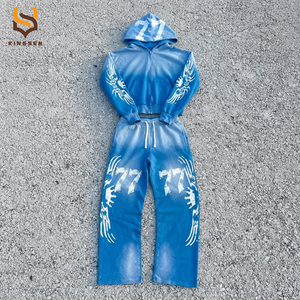
Explore our flagship enterprise manufacturing capabilities. From heavy fleece cut-and-sew sets to technical 3M windbreakers and acid-washed streetwear, every unit is constructed to exact specifications.
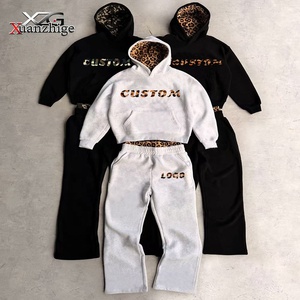
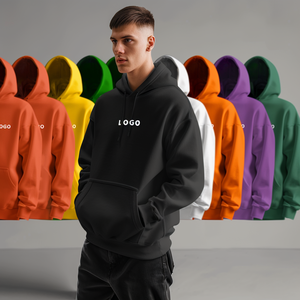
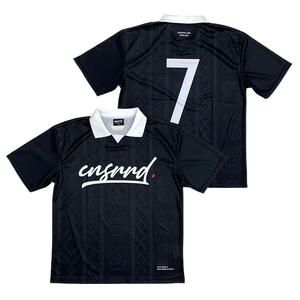

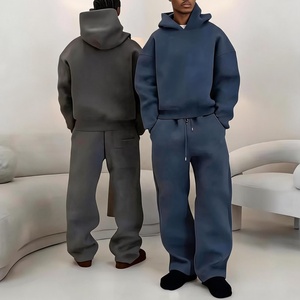
Sourcing high-performance outerwear requires rigorous control over textile engineering, thermal barriers, weatherproofing treatments, and exact garment assembly. As a specialized custom jacket manufacturer, our hybrid model merges UK commercial governance with state-of-the-art offshore production facilities.
Outerwear functionality hinges on fabric lamination and hydrostatic performance. We engineered supply routes for 2-layer (2L), 2.5-layer, and 3-layer (3L) technical membranes capable of matching industry standards from 5,000mm up to 20,000mm water column ratings (ISO 811). Moisture Vapor Transmission Rates (MVTR) are customized from 5,000 g/m²/24h to 20,000 g/m²/24h using breathable Polyurethane (PU) and Thermoplastic Polyurethane (TPU) backings. For insulated outerwear, we offer high-density 300T/400T nylon micro-ripstop, hydrophobic down-proof coatings, and fluorocarbon-free (PFC-free) Durable Water Repellent (DWR) surface treatments (C0 DWR) aligned with REACH and OEKO-TEX Standard 100 compliance.
Waterproof integrity requires precise seam sealing. Our factory employs automated hot-air seam sealing machinery applying 3-layer TPU tapes across all stress seams. Hardware selections feature YKK AquaGuard® water-resistant zippers, custom-branded laser-etched pullers, and reinforced cord-locks designed for heavy utility usage.
From modern oversized streetwear bombers to ergonomic alpine shells, our pattern masters cut and grade technical blocks using Gerber Computer-Aided Design (CAD) systems. We establish custom size matrices across US, EU, and Asian fit standards, controlling tolerance levels within 0.5 cm.
We provide fully customized branding applications built to survive extreme washing and wear tests. Options include high-density 3D silicone heat transfers, heavy chenille patches, reflective 3M Scotchlite™ piping, 300GSM+ acid-wash treatments, pigment dyeing, and multi-color embroidery. Every trim item—from woven neck labels, custom hangtags, zip pullers, and polybags—is produced under strict brand guideline specifications.
Navigating apparel production often forces brands to choose between high-cost domestic manufacturers or high-risk, unverified overseas brokers. We eliminate this compromise through a hybrid manufacturing model.
Headquartered at Lime Street, London, our dedicated project management team handles contract law, intellectual property protection, account merchandising, and clear technical communication in English. Brands receive the security of a UK enterprise structure alongside transparent milestone tracking throughout the manufacturing cycle.
Unlike third-party agents who broker orders out to unverified subcontractors, we own and manage our specialized overseas manufacturing infrastructure. This direct ownership enables tight cost management, seamless line balancing, direct fabric mill sourcing, and strict adherence to social compliance and fair labor conditions.
Garments undergo four distinct inspection gates before release: (1) Raw Fabric and Trim Inspection for GSM, shade consistency, and tensile strength; (2) In-Line Cutting & Assembly Audits; (3) End-of-Line Dimensional Measurement against graded size charts; and (4) Final Pre-Packing Inspection adhering to ISO 2859-1 (AQL 1.5 for major defects, AQL 2.5 for minor defects).
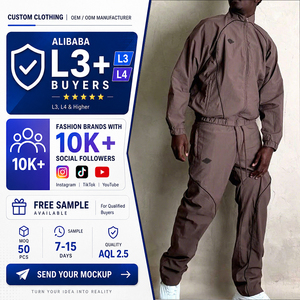
Tying up capital in thousands of unproven jacket units poses extreme commercial risk. Our production lines are optimized for small-batch agility, supporting minimum order quantities starting from 50 pieces per design. This enables emerging labels and established brands to launch limited capsule drops, validate market demand, and scale up re-orders rapidly.
From conceptual sketches to final consolidated shipping, every custom jacket follows a strictly audited end-to-end manufacturing protocol.
We evaluate your design sketches, mood boards, or physical sample garments. Our technical designers build comprehensive Tech Packs, Bill of Materials (BOM), and digital 3D prototypes (CLO 3D) for instant design validation.
Precision master patterns are constructed using digital CAD systems. Size grading schedules are applied across your target demographics to ensure perfect fit proportion across XS to 5XL sizing.
Fabrics are custom woven or knitted to match target composition, weight (GSM), handfeel, and performance specs. Custom Pantone matching (TPX/TCX) is applied to ensure exact color fidelity.
A complete pre-production physical prototype—including custom trims, embroidery, and lining—is manufactured and delivered to your office for fit testing, quality approval, and physical review.
Once the prototype is locked, automated fabric spreaders and digital laser cutters cut panels before skilled technicians sew, tape seams, and assemble hardware on dedicated production lines.
Units pass final AQL inspections, needle detector screening, steam pressing, custom polybag packing, and export cartoning before door-to-door delivery via international courier or sea/air freight.
The global outerwear procurement market is undergoing a structural shift driven by sustainability regulations, digital supply chain traceability, and smart textile innovations. Brands must align their OEM sourcing strategies with these key macro developments over the next decade.
Regulatory pressures like the EU Digital Product Passport (DPP) and Extended Producer Responsibility (EPR) are forcing apparel brands to move away from virgin synthetics. Sourcing strategies are rapidly shifting toward GRS-certified Recycled Polyester (rPET), GOTS-certified Organic Cotton, mono-material recyclable jackets (100% Polyester outer, membrane, and insulation), and bio-based polyurethane DWR coatings. Brands adopting circular material loops reduce carbon footprint metrics while satisfying growing consumer demand for sustainable apparel.
The next decade of outerwear manufacturing centers on warmth-to-weight optimization. Traditional bulky down insulation is increasingly replaced by ultra-lightweight graphene-infused linings, aerogel thermal barriers, and synthetic recycled down alternatives (e.g., PrimaLoft® Bio™). These materials offer superior water resistance, compact packability, and high thermal retention even under wet weather conditions.
Traditional physical sampling cycles generate immense fabric waste and lengthen development timelines. The integration of 3D simulation tools (CLO 3D, Style3D) allows brands to adjust drape, stress maps, zipper placements, and grading virtually before cutting single yardages of physical cloth. This reduces sample iteration cycles from weeks to days, lowering overall development budgets.
Geopolitical volatility and shipping bottlenecks mean fashion labels can no longer rely on rigid, ultra-high volume bulk orders placed 9 months in advance. The future belongs to hybrid sourcing models: maintaining flexible, low-MOQ baseline production (50-200 units) with rapid-turnaround reorder capabilities to capture real-time sell-through signals without inventory overstock.
Clear, direct answers regarding minimum order quantities, tech packs, fabric testing, lead times, and custom OEM jacket manufacturing processes.
Share your technical drawings, reference garments, or tech packs with our London merchandising team today. Receive expert fabric recommendations, precise MOQ breakdowns, and a comprehensive production timeline.