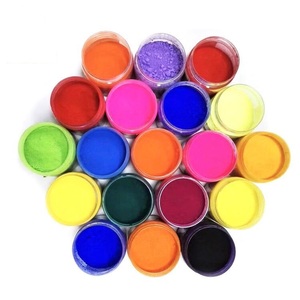
Explore our end-to-end processing catalog—from custom vintage washed apparel to industrial-grade dyestuffs and specialized machinery.
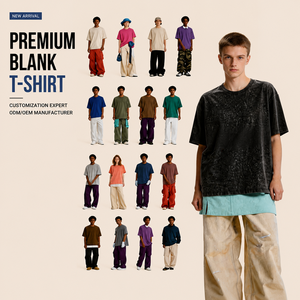
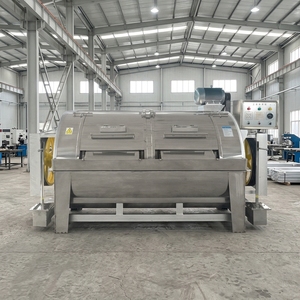
In the evolving landscape of global apparel production, garment dyeing (post-assembly dyeing) has transitioned from a niche aesthetic processing method into an essential operational strategy for fashion brands seeking rapid market agility, unique vintage washes, and reduced raw material risk. Unlike traditional piece dyeing or yarn dyeing—where fabrics are colored prior to cutting and sewing—garment dyeing involves crafting complete garments from greige (undiagnosed/unbleached) fabric state, followed by precise chemical dyeing, wash treatment, and finishing.
As a leading UK-headquartered OEM/ODM Garment Dyeing Manufacturer and Supplier operating state-of-the-art overseas dye houses, we bridge high-level European account management, technical tech-pack development, and strict contract law with offshore manufacturing efficiency. Whether executing heavy vintage stone washes, mineral washes, reactive garment dipping, or high-fastness synthetic carrier dyeing, our integrated supply chain guarantees color precision, zero structural distortion, and repeatable batch consistency.
Combining UK technical governance with dedicated offshore industrial processing facilities.
We break traditional factory barriers by offering custom cut-and-sew and garment dyeing starting at just 50 pieces per design. This enables emerging labels and established brands to launch limited capsule collections with minimal financial exposure.
Every batch undergoes incoming raw fabric inspection, in-line stitching tension checks, automated laboratory spectrophotometer dye-bath audits (CIELAB standards), and final pre-pack measurement verification against approved size specifications.
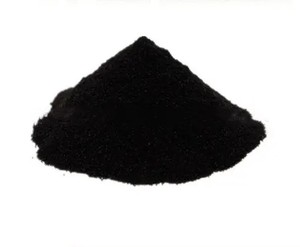
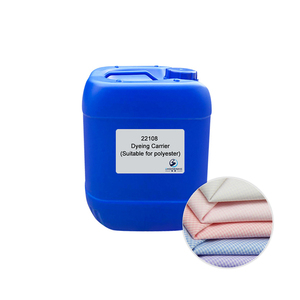
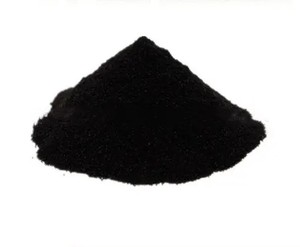
Utilizing high-performance auxiliaries such as 22108 polyester carrier agents, Direct Black 38, and eco-certified reactive dyes, we achieve unmatched color depth, high wash fastness (Grade 4+), and signature soft hand-feel finishes.
No technical drawings? Our in-house pattern cutters and digital product creation team translate physical sample garments, mood boards, or rough sketches into production-ready digital tech packs and 3D digital samples.
We deploy low-liquor-ratio industrial dyeing machinery, water-recycling units, and OEKO-TEX® Standard 100 compliant dyestuffs, significantly reducing water consumption and eliminating heavy metal effluents.
From yarn selection (100% heavy cotton, french terry, polyester blends) to custom hardware, woven neck labels, screen/DTG printing, and custom wash effects, your brand maintains 100% intellectual property and creative authority.
Selecting the appropriate dyeing chemical matrix is critical to balancing aesthetic outcome, fabric tensile strength, color fastness, and cost. The matrix below outlines our core industrial dye processes:
| Dye Technique | Target Fiber | Visual & Aesthetic Outcome | Color Fastness (Rubbing/Wash) | Key Chemical / Process Agent |
|---|---|---|---|---|
| Reactive Garment Dyeing | 100% Cotton, Viscose, Linen | Vibrant, uniform solid colors with maximum shade depth and smooth hand-feel. | High (Dry: 4-5, Wash: 4-5) | Covalent-binding Reactive Dyes, Soda Ash fixation |
| Pigment Garment Dyeing | Cotton, Canvas, Heavy Sweatshirts | Chalky, vintage faded look with distinct high-low contrast along seam lines. | Medium (Intentionally fades over time) | Binders, Cationic Pre-treatment, Pigment Powders |
| Disperse Dyeing with Carrier | 100% Polyester, Synthetics, Blends | Deep, even coloration on synthetic fibers without high-pressure thermal distortion. | High (Dry: 4-5, Wash: 4) | 22108 Polyester Fabric Dyeing Carrier Agent |
| Acid Powder Dyeing | Nylon, Silk, Wool, Leather | Rich tone-on-tone depth on protein and polyamide substrates. | High (Dry: 4, Wash: 4) | Acid Dyestuffs, Weak Acid Bath Buffers |
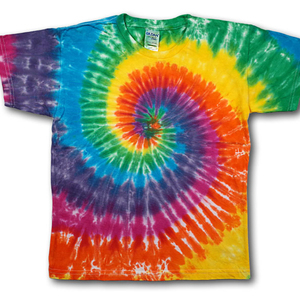
| Artisanal Tie-Dye / Spiral Wash | Cotton Knitwear, Streetwear Tees | Hand-crafted organic patterns, multi-color swirls, marble & ombre gradients. | High (When fixed with reactive chemistry) | Cold-active Reactive Dyes, Fast-Fixing Salts |
* All dye formulations processed in our facilities adhere strictly to REACH, ZDHC, and OEKO-TEX regulations to prevent harmful chemical residues.
How technological innovation and modern consumer demands are driving the next generation of textile processing.
Environmental regulations are accelerating the adoption of low-liquor ratio dyeing machines, Nebulization (fogging) technology, and Ozone fading. These innovations reduce water consumption by up to 70% while achieving identical vintage faded aesthetics without harsh chemical discharge.
Global luxury streetwear trends favor heavy GSM fabrics (300-500 GSM French Terry and single jersey) treated with acid washes, mineral washes, and sun-faded pigment dyes. The focus has shifted from pristine solid colors to textured, lived-in aesthetics with high seam abrasion depth.
Modern dye houses rely on computerized recipe generation. By measuring raw greige absorption rates via digital spectrophotometers, AI algorithms calculate precise dye-to-water ratios, minimizing lot-to-lot shade variances to less than ΔE 0.8 across bulk runs.
As market volatility challenges traditional fashion supply chains, sourcing managers must evolve from bulk long-lead purchasing to responsive, demand-driven manufacturing models. Here is how modern brands are restructuring their procurement frameworks:
Instead of stocking finished colored fabrics, forward-thinking brands hold un-dyed greige garments or fabrics in raw inventory. Upon analyzing real-time e-commerce sales signals, dye houses inject seasonal colors in small batches within 10–14 days.
Brands eliminate communication friction and legal risks by partnering with suppliers maintaining Western regional management offices (e.g., Central London) backed by vertically integrated offshore dye houses for cost optimization.
Developing standardized core silhouetted patterns (hoodies, tees, sweatpants) allows brands to re-use proven fit blocks across multiple seasons, focusing innovation purely on unique dye techniques and surface treatments.
From initial design concept to final delivered shipment—engineered for total quality control.
We analyze your target garment weight, fiber ratio, desired wash effect (e.g., vintage tie-dye, reactive solid, mineral wash), and sizing chart parameters.
Our color chemists prepare physical lab dips under D65 standard light sources, matching your specific Pantone reference code or sample swath within tight tolerances.
Garments are precision cut and stitched using pre-shrunk cotton thread. Crucially, thread selection must match fiber absorption to prevent unwanted color-contrast seams unless specified.
Greige items enter specialized industrial rotary dyeing tumblers. Heat, auxiliaries (such as 22108 polyester carriers or direct black dyes), and enzyme washes are carefully monitored.
Centrifugal water extraction and controlled thermal drying stabilize the garment structure, fixing dimensional shrinkage and ensuring true fit consistency across sizes.
Units are inspected for shade uniformity, seam strength, and dimensional tolerances before custom woven neck labels, hang tags, poly-bagging, and global dispatch.
Clear, direct technical responses to help you evaluate your manufacturing requirements.
Partner with a trusted UK-managed OEM/ODM manufacturer. Get competitive pricing, lab-dip shade matching, and expert low-MOQ production support today.