Precision-engineered 3D foam ink graphics integrated with heavy-gsm fleece, washed jersey, and technical nylon. Fully customizable under low 50-piece minimums.
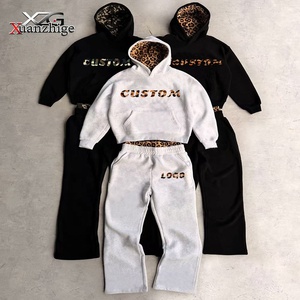
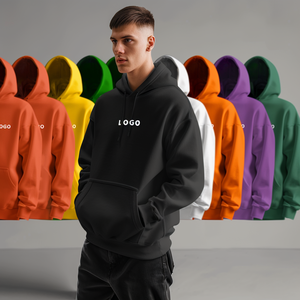
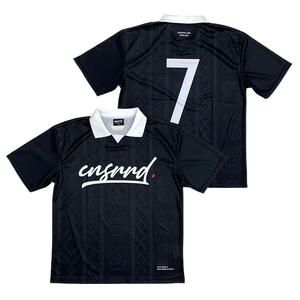

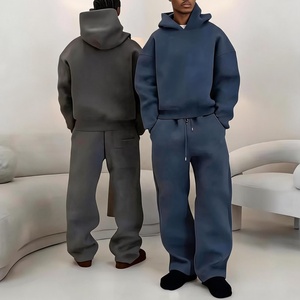
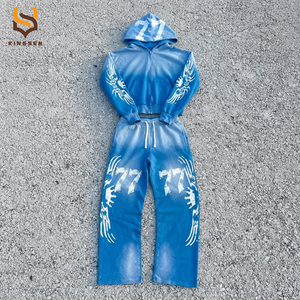
In modern luxury streetwear and technical sportswear, tactile graphic dimensionalization has transitioned from an aesthetic novelty into a primary brand differentiator. 3D Puff Printing (foam ink screen printing) requires exact chemical formulation and physical parameter control during production.
As a premiere OEM/ODM Puff Printing Factory, Hawthorn International operates at the intersection of material science and cut-and-sew garment manufacturing. Achieving stable, repeatable 3D puff graphics across multi-thousand unit production runs demands rigorous technical discipline over ink viscosity, mesh tensioning, emulsion stencil thickness, and flash-cure thermal kinetics.
Puff printing inks are formulated by blending standard plastisol or high-solid acrylic water-based bases with heat-activated blowing agents (micro-encapsulated physical blowing agents containing thermoplastic shells filled with liquid hydrocarbon). Upon exposure to curing temperatures between 150°C and 165°C (300°F–330°F), two simultaneous reactions occur:
If curing temperatures fall below 145°C, gas expansion remains incomplete, yielding a flat, rubbery texture with poor wash durability. Conversely, if exposure exceeds 175°C, the microsphere walls rupture, leading to total foam collapse, surface pitting, and irreversible cracking during AATCC laundering tests.
We utilize low-mesh counts (86 to 110 Monofilament Polyester tpi) combined with capillary film stencils measuring 200–400 microns. This ensures heavy wet-ink deposit thickness, allowing the puff agent to expand vertically rather than flattening laterally.
Printing on 400+ GSM 100% cotton fleece differs fundamentally from printing on elastic 60/40 CVC or elastane-blended ribbing. Our ODM formulations incorporate cross-linking elastic agents to prevent shear tearing under fabric elongation.
Because puff ink expands volumetric space, pigment density dilutes upon expansion. Our lab mixes custom Pantone shades with a 25–30% higher pigment concentrate, guaranteeing vivid color accuracy post-cure.
Choosing the correct graphic application process impacts unit cost, structural handfeel, lead times, and factory yield rates. The table below outlines empirical technical metrics derived from our internal production audits.
| Performance Parameter | 3D Puff Screen Print (Plastisol/Water-Based) | High-Density Silicone Print | Direct-to-Film (DTF) Transfer | Bespoke Towel/Chenille Embroidery |
|---|---|---|---|---|
| Dimensional Elevation | 1.5mm – 3.5mm (Puffed Micro-Foam) | 0.5mm – 2.0mm (Crisp Vertical Edge) | Flat (0.1mm Thin Film) | 3.0mm – 6.0mm (Textile Loop) |
| Substrate Flexibility | High (Soft Matt Tactile Feel) | Ultra-High (Rubberized Flex) | Medium (Pliable Sheen) | Low (Stiff Backing Stabilizer) |
| Cure Temperature Window | 150°C – 165°C (120 sec dwell) | 160°C – 170°C (Silicone Catalyst) | 145°C – 155°C (Heat Press) | N/A (Mechanical Needle Stitch) |
| Wash Fastness (50+ Cycles) | Pass (AATCC 61-2A Certified) | Pass (High Mechanical Bond) | Moderate (Edge Peel Risk) | Pass (High Thread Integrity) |
| Cost Efficiency at Low MOQ | Optimal (Low Tooling Overhead) | Moderate (High Matrix Tooling) | High (Digital No Setup) | Moderate (Stitch Count Based) |
As global fashion brands navigate stricter ESG regulations and shifts in consumer buying habits, apparel procurement teams must adapt their sourcing strategies.
Traditional puff printing relied heavily on PVC and phthalate-containing plastisols. European Union REACH standards and global brand compliance now mandate zero-PVC, phthalate-free, non-toxic water-based puff systems. Hawthorn leads this shift by using OEKO-TEX Standard 100 Class I certified foam additives that achieve soft puff loft without hazardous micro-plastic off-gassing during thermal curing.
Future streetwear drops demand multi-layered visual textures. Emerging design trends combine 3D puff base layers with crisp 3M reflective line overlays, neon high-density silicone lettering, or acid-washed distress treatments on 450 GSM organic French terry. Sourcing from a unified OEM/ODM manufacturer eliminates cross-factory quality drift during multi-stage graphic applications.
The era of overproducing 1,000 units per colorway to unlock factory pricing is fading. Capital-efficient fashion labels operate on small-batch drops, testing consumer intent before executing bulk re-orders. Our hybrid structure—combining central design management with automated cutting and controlled screen printing—enables fully custom cut-and-sew orders starting from just 50 pieces per design.
Navigating third-party trading agents often leads to miscommunicated tech packs, delayed sample rounds, and unverified quality standards. Hawthorn eliminates middleman friction by pairing direct factory ownership with responsive client management.
We operate our own production lines, granting total oversight over pattern grading, fabric knitting, printing stations, and sewing assembly without broker markups.
No formal tech pack? Our in-house design engineers convert rough sketches, physical sample garments, or mood boards into production-ready tech specs and 3D digital renders.
Every unit passes fabric inspection, in-line print cure checks, end-of-line dimensional tolerance audits against your size chart, and final pre-pack inspections.
From custom Pantone yarn dyeing and heavy fleece knitting to woven neck labels, custom hangtags, and branded polybags—your collection is truly bespoke.
From initial concept intake to international courier dispatch, every order follows a transparent, quality-controlled pathway.
Analysis of artwork vectors, line weights, fabric composition (e.g., 100% cotton, CVC fleece), and target dimensions.
Precision pattern cutting tailored to oversized streetwear, cropped fits, or modern activewear specifications.
Custom fabric knitting, lab-dip Pantone color matching, and GSM weight validation prior to cutting.
Physical pre-production prototype sample built and dispatched for client review, fit testing, and print approval.
Automated panel cutting, hand-sewing by experienced technicians, and precision screen puff printing run on automated carousels.
Rigorous AQL quality audits, garment folding, custom trim placement, and worldwide air/sea freight logistics.
Clear, definitive answers to technical, commercial, and logistical questions regarding 3D puff print custom apparel production.
Our standard minimum order quantity starts at 50 pieces per design. This MOQ applies to custom cut-and-sew apparel including hoodies, sweatpants, tracksuits, and t-shirts. You can split this 50-piece minimum across standard sizing curves (S, M, L, XL, XXL) to suit your market demand. Specialized fabric knitting or custom Pantone mill dyeing may alter minimums depending on raw yarn requirements.
We prevent cracking and flattening through exact chemical control of the micro-blowing agents combined with mandatory conveyor curing at 160°C with an exact 2-minute dwell time. Additionally, we blend elastic micro-crosslinkers into the ink base so the 3D structure stretches with the fabric. All bulk batches undergo 50-cycle home laundering audits (AATCC 61-2A standard) prior to shipment.
Vector artwork should be provided in AI, EPS, or PDF format with all fonts converted to outlines. Because puff ink expands both vertically and horizontally during cure, line weights must maintain a minimum thickness of 1.5pt (approx. 0.5mm). Extremely fine, intricate line details under 1.0pt may close up or fuse together as the foam expands.
Hawthorn operates a hybrid manufacturing model: our client management team, product development leads, and contract managers operate under UK corporate law, while we own and run our dedicated apparel manufacturing facility overseas. This structure gives you clear, native English account communication with the cost efficiency of direct factory manufacturing.
Pattern development, fabric sourcing, and physical sample production typically take 2 to 4 weeks. Once you test and approve the physical prototype sample, bulk manufacturing requires approximately 4 to 6 weeks, depending on order volume and finishing complexity. A precise milestone schedule is provided before production begins.
Yes. If you do not have CAD tech packs, our technical garment design team can build detailed tech specification sheets, graded measurement specs, and bills of materials (BOM) based on physical reference garments, mockups, or high-resolution design sketches you provide.
No. We are an authentic cut-and-sew custom apparel manufacturer. We do not re-label cheap off-the-shelf blank stock. Every garment is cut from raw fabric rolls, dyed to spec, screen printed, stitched, and custom-finished to match your exact brand pattern, GSM weight, and fit guidelines.
Our 4-Stage QC system monitors quality at key points during production: (1) Raw fabric and trim inspection upon delivery; (2) In-line inspection during panel cutting and print curing; (3) End-of-line measurement audits against your approved size chart; and (4) Final pre-packing AQL inspection before sealing cartons for international export.
Partner with an established OEM/ODM Puff Printing Factory. Send us your tech packs, reference garments, or design concepts to receive a detailed quote, fabric swatches, and sampling timeline.