Executive Industry Note: In modern apparel procurement, small batch manufacturing (50 to 300 units per design) has evolved from an entry-level convenience into a core risk-mitigation strategy for emerging labels, mid-market SMEs, and agile enterprise brands. By removing massive upfront capital lockup, brands maintain capital flexibility, eliminate inventory deadstock, and accelerate time-to-market.
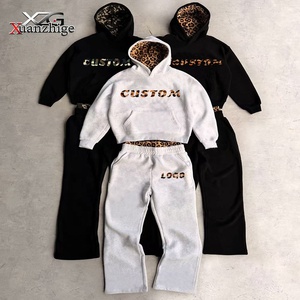
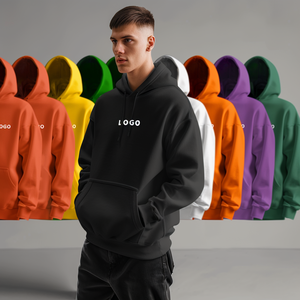
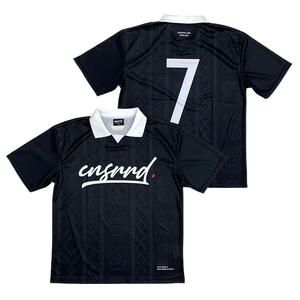
Below are eight verified small-batch production prototypes manufactured with fully customizable tech specs, specialized raw materials, custom dye processes, and precise fit grading.

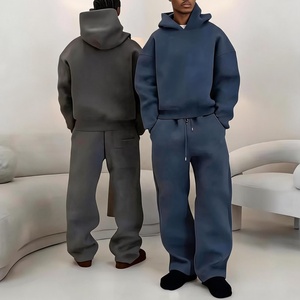
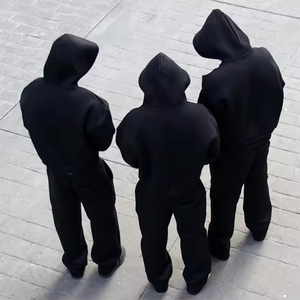
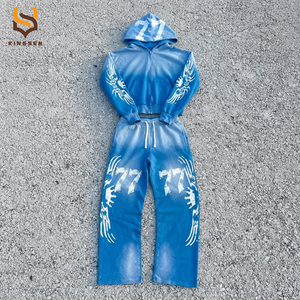
Historically, global fashion supply chains favored mass production lines demanding 1,000 to 5,000 units per colorway. This legacy model forced brands to commit immense working capital to unproven market fits, resulting in high inventory carrying costs, heavy end-of-season markdowns, and severe ecological waste. Today's dynamic market landscape—driven by fast-shifting social trends, direct-to-consumer (DTC) micro-drops, and micro-influencer capsules—requires extreme manufacturing agility.
Small batch manufacturing bridges the gap between commercial viability and rapid operational scaling. By lowering Minimum Order Quantities (MOQs) down to 50 pieces per design while retaining bespoke pattern-making, custom dyeing, and technical embellishment capabilities, apparel startups and established luxury brands alike can test price sensitivity, evaluate seasonal fits, and run hyper-targeted product drops with zero inventory risk.
| Production Dimension | Traditional Bulk Factory (Mass OEM) | Bespoke Small Batch Manufacturer |
|---|---|---|
| Minimum Order Quantity (MOQ) | 500 - 5,000 units per style/color | 50 - 150 units per style/color |
| Capital Lockup Risk | High ($15,000 - $100,000+) | Low ($1,200 - $4,500) |
| Pre-Production Development | Rigid, high-volume standard blocks | Full custom pattern cutting, 3D CAD modeling |
| Quality Control Standard | Random spot checks (AQL 4.0 standard) | 100% 4-Stage In-Line & Audit Inspection |
| Market Agility | 6-9 month lead times | 2-4 week sampling / 4-6 week bulk lead times |
Selecting the right production partner requires aligning your brand’s technical specifications with the operational structure of the facility. Below is an analytical ranking of the top 10 small-batch manufacturer archetypes operating globally today:
Pioneering the modern small-batch framework, facilities operating with Western headquarters (such as London, UK) paired with directly owned, fully controlled offshore cut-and-sew lines offer the ideal benchmark. Brands benefit from Western legal protections, fluent English account management, and transparent contract law while leveraging the cost efficiencies of offshore manufacturing. Minimums start at 50 pieces per style with 4-stage quality control.
Renowned for luxury cotton jerseys, specialized denim washing, and artisanal outerwear. These regional micro-factories excel in ultra-premium hand-feel and intricate tailor construction, though unit prices remain significantly higher. MOQs typically range from 100 to 200 pieces.
Utilizing digital automated fabric cutting, direct-to-garment (DTG) printing, and automated pattern scaling. Ideal for rapid replenishment drops and print-on-demand streetwear lines, though fabric customization options (such as custom knitting or pantone dyeing) are often constrained.
Engineered specifically for high-stretch, moisture-wicking technical activewear. These facilities feature specialized flat-lock stitching machinery, bonding technology, and custom elastane blending. MOQs generally start around 150-300 pieces per colorway due to specialized yarn knitting runs.
Focused strictly on GOTS-certified organic cotton, recycled polyester, and plant-based dyes. These factories cater to eco-conscious brands prioritizing ethical supply chain traceability, environmental audits, and plastic-free bio-packaging.
Famous for high-density heavyweight fleece (400 GSM to 500 GSM), custom acid wash finishes, oversized drop-shoulder fits, and vintage garment dyeing. MOQs usually begin at 100 pieces per style.
Leveraging 3D whole-garment seamless knitting technology (Wholegarment®). These facilities eliminate traditional seam stitching, reducing fabric waste to near zero while offering complex texture patterns at 100-200 unit minimums.
Specialized in denim laser distressing, ozone washing, stone washing, and custom hardware riveted construction. They accommodate small batch sampling for emerging streetwear labels looking to offer custom cut jeans.
Operating on pre-developed garment silhouettes (blanks) where fit and fabric weights are standardized. Brands can modify colorways, add custom woven neck labels, screen prints, and embroidery at extremely fast 2-week turnarounds.
Large-scale industrial hubs that have spun off agile "small batch micro-lines." They offer incredible raw material access, comprehensive trim sourcing, custom metal hardware casting, and low component costs, accommodating MOQs from 100 to 300 pieces.
The global apparel supply chain is undergoing structural shifts toward digitized, transparent, and ultra-flexible manufacturing. Forward-thinking clothing brands must align their sourcing strategies with four critical upcoming trends:
Before physical fabric is ever cut, 3D digital prototyping tools (such as CLO3D and Browzwear) allow designers and production merchandisers to test drape, fit tension, and graphics on virtual avatars. This cuts sampling iteration times by up to 70% and drastically reduces physical waste.
Global regulatory bodies are enforcing stricter Digital Product Passports (DPP). Brands must prove fabric origin, labor ethics, and chemical safety. Modern small batch manufacturers are integrating RFID and QR-code traceable fabric mills into their standard bill of materials.
While complete nearshoring (producing locally) offers short transit times, high labor costs often erode profit margins. The winning model is the hybrid approach: utilizing overseas owned factories managed under local Western business terms, securing lower unit prices without sacrificing communication clarity.
Quality assurance in small batch production requires strict checkpoint discipline to eliminate human error and material variance. A reliable factory operates under a rigorous four-stage QC workflow:
Incoming knitted or woven fabrics undergo shade-sorting against Pantone standards, GSM weight verification, skewness testing, and shrinkage tests before rolling onto cutting tables.
During sewing, specialized quality auditors continuously check seam strength, stitch density (SPI - Stitches Per Inch), zipper insertion smooth alignment, and panel symmetry.
Finished garments are laid flat and measured against the approved graded size chart. Tolerances are enforced within strict limits (±0.5cm to ±1cm depending on garment class).
Final visual inspection covering thread clipping, stain checks, swing tag accuracy, woven brand label position, polybag sealing, and export carton master labeling.
Standard minimum order quantities start at 50 pieces per design/style. Depending on custom fabric knitting requirements, specialized Pantone dyeing, or complex vintage acid washing, MOQs may adjust slightly. However, flexible fabric sourcing options are always provided to keep order quantities accessible for growing brands.
While a technical pack (Tech Pack) containing flat sketches, bill of materials (BOM), and size specifications speeds up quoting, it is not mandatory. If you provide physical reference samples, clear photos, or design sketches, in-house tech pack engineering services can build graded patterns and specification sheets for you.
Pattern development, fabric sourcing, and prototype sample physical delivery typically require 2 to 4 weeks. Once the pre-production sample is physically reviewed and signed off, bulk manufacturing takes approximately 4 to 6 weeks, depending on custom print or embroidery complexity and overall order volume.
Every single garment is 100% custom cut and sewn to order from your exact pattern specifications, fabric weight choices, and tailored dimensions. Pre-developed blocks are also available if you wish to fast-track production, allowing full control over branding, trims, colors, and graphics.
Your technical packs, custom grading formulas, original artwork, and pattern files remain strictly your exclusive intellectual property. Production agreements guarantee that your original designs will never be resold, copied, or used as stock blanks for third-party clients.
Navigating international apparel sourcing can present risks when dealing with unverified third-party brokers, language barriers, and non-enforceable offshore contracts. Our production ecosystem delivers a seamless, secure manufacturing channel:
Headquartered in Central London, operating under UK contract law. You communicate directly with dedicated English-speaking production merchandisers who manage your order from initial tech pack creation to doorstep delivery.
Unlike middleman sourcing agencies that outsource orders to unvetted third parties, production runs in our directly owned overseas facility. This guarantees complete oversight of labor standards, fabric quality, and manufacturing schedules.
With over a decade of operational excellence, we have assisted more than 2,000 fashion brands, emerging designers, and SME corporate clients across Europe, North America, Australia, and the Middle East in scaling their custom collections.
Submit your design ideas, Tech Packs, or reference garment specifications today. Our merchandising engineering team will analyze your requirements and provide a detailed quote, fabric options, and a tailored timeline within 24 hours.
Contact Us