High-performance OEM & ODM manufacturing options tailored for Nigerian sports labels, gym franchises, and fashion exporters.

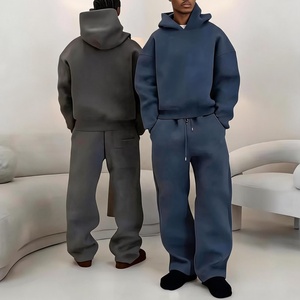
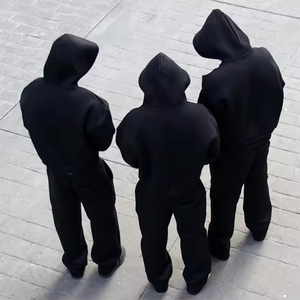
The West African apparel market is experiencing an unprecedented structural shift. Nigeria, as Africa’s largest economy and urban consumer center, has emerged as a premier powerhouse for athletic lifestyle culture, private-label sportswear brands, and commercial fitness ventures. Driven by dynamic urban hubs such as Lagos, Abuja, and Port Harcourt, consumer demand for technical activewear, luxury athleisure, and performance gym attire has expanded exponentially over the past five years.
However, local brand founders, corporate exporters, and athletic organizations face a persistent manufacturing bottleneck: securing high-precision, low-minimum apparel production that matches European and North American quality standards while accommodating local logistics and tropical climate requirements. Sourcing off-the-shelf "blank" garments standardizes products into low-margin commodities, failing to provide the brand equity needed to command premium retail pricing in boutiques across Ikoyi, Victoria Island, or international markets.
Our operation solves the structural friction of garment sourcing for Nigerian fashion businesses. Combining centralized management, UK contract law accountability, and offshore factory line ownership, we deliver bespoke activewear production starting from just 50 pieces per design. From initial 3D digital pattern sampling to final containerized clearance, we provide end-to-end operational visibility.
Designing and manufacturing activewear for the Nigerian consumer base requires deep technical awareness of regional environmental stressors. Standard synthetic garments engineered for temperate European climates frequently fail under sub-Saharan humidity and heat, resulting in fabric choking, heavy moisture retention, seam chafing, and premature elasticity breakdown.
We tailor our technical fabric sourcing and construction specifications to precise localized usage scenarios:
Humid coastal training along the Lekki-Ikoyi corridor demands ultra-lightweight (120–160 GSM) poly-elastane knits with micro-mesh perforation. Integrated moisture-wicking capillary channels pull sweat rapidly away from the dermis, ensuring fast drying without fabric cling.
Commercial gym culture in Abuja requires maximum squat-proof opacity and 4-way mechanical stretch elasticity. We utilize high-density interlocking circular knits (280–350 GSM) composed of 80% Nylon and 20% Spandex, utilizing flatlock 6-needle seam construction to eliminate structural bursting under multi-axial force.
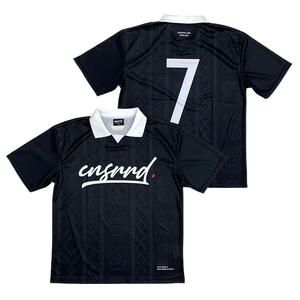
Football academies and university sports departments require tear-resistant, colorfast kit sets capable of enduring frequent industrial wash cycles. We implement high-definition full-body sublimation printing on anti-bacterial treated polyester double-knit mesh.
To assist Nigerian apparel directors and product development managers in establishing robust technical packs, the table below outlines our standard textile options engineered specifically for activewear performance, climate endurance, and brand differentiation:
| Fabric Category | Blend Composition | Weight Range | Primary Application Scenario | Key Performance Characteristics |
|---|---|---|---|---|
| Performance Dry-Fit | 88% Polyester / 12% Spandex | 140 - 180 GSM | Marathon Tees, Running Tops | Hydrophilic moisture-wicking finish, UPF 50+ UV protection, quick-dry technology. |
| Compression Interlock | 75% Nylon (Polyamide) / 25% Spandex | 220 - 300 GSM | Leggings, Sports Bras, Biker Shorts | Non-sheer (Squat-Proof), high shape retention, matte tactile handfeel, multi-directional stretch. |
| Tech Fleece Deluxe | 65% Cotton / 35% Polyester Blend | 320 - 420 GSM | Heavyweight Hoodies, Streetwear Tracksuits | Pre-shrunk surface, double-brushed interior insulation, anti-pilling coat, ideal for embroidery. |
| Weatherproof Shell | 100% Ripstop Nylon with TPU Membrane | 90 - 130 GSM | 3M Reflective Windbreakers, Rain Jackets | Windproof, water-repellent (DWR coating), ultra-lightpackable structure, high abrasion resistance. |
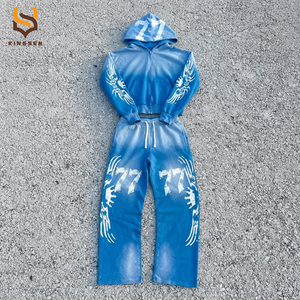
| Vintage Acid Wash Terry | 100% Combed Loopback Cotton | 380 - 480 GSM | Luxury Athleisure & Streetwear Sets | Custom garment acid/ozone wash finish, reinforced ribbing, heavy drape aesthetic. |
Capturing market share in Nigeria’s fashion ecosystem demands alignment with evolving consumer preferences. Sourcing data across key metropolitan centers reveals critical design trends:
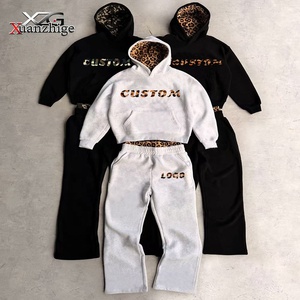
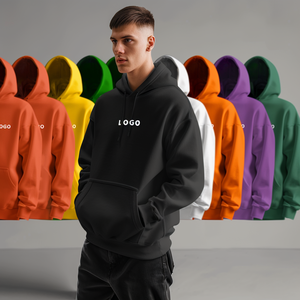
1. The Rise of "Athflow" and Hybrid Streetwear: Nigerian consumers are increasingly blurring the boundaries between high-intensity workout gear and daily casualwear. Hoodies, wide-leg joggers, and cropped zip-ups featuring subtle acid washes or bold graphic lining (such as camo and leopard patterns) are experiencing high sell-through rates across online e-commerce platforms and social retail channels.
2. Reflective Tech & Night-Safety Apparel: As night running and evening fitness groups grow across urban centers, garments featuring 3M high-vis reflective piping, heat-transfer logos, and panel accents have shifted from niche accessories to core catalogue expectations.
3. Domestic Pride & Export Ready Quality: Nigerian consumers are demanding that local fashion labels deliver technical parity with international multi-national athletic giants. Brands that utilize custom-woven neck labels, branded aglets, custom silicone chest badges, and tailored tech pack fits win high repeat purchase loyalty.
Most industrial garment factories are architected exclusively for mass-market buyers, demanding prohibitive Minimum Order Quantities (500 to 1,000 pieces per colorway) that drain early-stage capital and create inventory overstock risk. Conversely, small local tailor networks lack the industrial flatlock machinery, specialized fabric testing, and standardized quality management required for technical apparel.
We bridge this gap by offering a enterprise-grade manufacturing infrastructure structured specifically for scaling brands:
Test new capsule drops, pilot unproven sizing curves, and introduce diverse colorways without locking capital into unverified inventory. Scale up smoothly to 5,000+ unit production runs as market demand solidifies.
Every single unit undergoes rigorous 4-stage auditing: raw fabric shade and elasticity check, in-line seam tension verification, post-assembly size measurement against graded tech charts, and final pre-pack trimming inspections.
No formal technical spec sheets? Our dedicated apparel engineers translate hand sketches, physical samples, or mood boards into precise CAD technical specs, measurement charts, and bills of materials (BOM) free of hassle.
Enjoy the communication ease, English-speaking account managers, and contractual security of a established Western enterprise combined with the competitive unit pricing of our privately owned overseas sewing lines.
We maintain an auditable, transparent manufacturing workflow for every custom order. Whether you are launching a lightweight windbreaker capsule or heavyweight tech-fleece tracksuit sets, your order moves through six defined milestones:
We analyze your brand design, material preferences, target retail price point, and branding requirements. Concepts are digitally modeled in 3D to refine seam placements and proportion aesthetics before cutting physical yardage.
Our master pattern makers draft custom precision templates, grading your dimensions across full size ranges (XS to 4XL). We accommodate regional fit preferences, including tapered limbs, oversized streetwear drops, or ergonomic athletic fits.
Raw yarn is knitted or woven to match your exact GSM specification. Optional Pantone color matching ensures brand color consistency across multiple seasons without reliance on standard stock fabric cards.
A physical pre-production prototype complete with custom neck labels, hang tags, embroidery, or screen printing is sewn and dispatched directly to your team in Nigeria for physical fitting and tactile sign-off.
Upon sample approval, bulk production runs on our specialized activewear lines. Skilled seamstresses utilize flatlock 4-needle 6-thread machines, high-speed overlockers, and automated laser fabric cutters for exact precision.
Garments pass our final quality inspection, are steam-ironed, poly-bagged, and consolidated in export cartons. We handle export documentation and coordinate air or sea shipping directly to Lagos, Port Harcourt, or Abuja.
A critical barrier for Nigerian apparel exporters and retail importers is clearing international air and sea freight reliably without unexpected tariff delays or port demurrage. Sourcing from our manufacturing network provides structured logistical guidance for West African destinations:
1. Air Freight Delivery (Fast-Track Sample Drops & Capsule Releases): For express drops, time-sensitive seasonal launches, or smaller orders (50 to 300 pieces), we coordinate door-to-door express air freight via DHL, FedEx, or specialized air cargo freight forwarders serving Murtala Muhammed International Airport (LOS) in Lagos or Nnamdi Azikiwe International Airport (ABV) in Abuja. Typical air transport transit time ranges between 5 to 9 business days.
2. Sea Freight Consolidation (Bulk High-Volume Orders): For large-scale production drops (1,000+ units), sea freight via LCL (Less than Container Load) or FCL (Full Container Load) into Apapa Port or Tincan Island Port in Lagos provides maximum cost-per-unit economy. Sea transit typically spans 24 to 35 days depending on maritime shipping routes.
3. Compliance & Documentation Guidance: We ensure all commercial invoices, packing lists, certificate of origin paperwork, and export declarations match Nigerian customs and SONCAP regulatory compliance framework requirements, smoothing clearance through domestic customs brokers.
Partner with an established global apparel manufacturer dedicated to empowering Nigerian fashion brands, gym lines, and exporters with low MOQs, enterprise QC, and high-performance textiles.
Send an Inquiry