High-precision streetwear, activewear, and fleece manufacturing directly from our Hanoi production facilities. Available with fully customizable fabric weight, pattern grading, and private label trims.

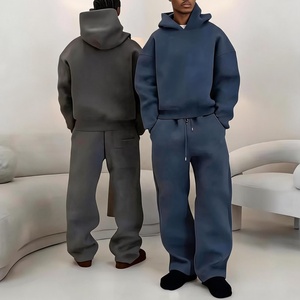
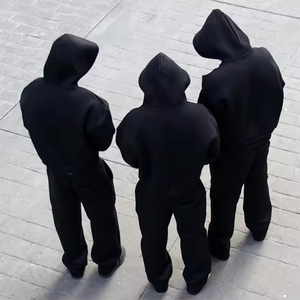
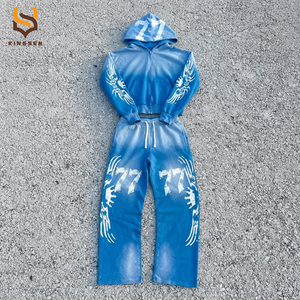
Over the past decade, the global apparel supply chain has experienced a seismic realignment toward Southeast Asia. At the epicenter of this transformation is Hanoi and the surrounding Northern Vietnam industrial corridor. Hanoi has emerged not merely as an alternative to traditional manufacturing hubs, but as the primary strategic center for high-end cut-and-sew garment production, technical outerwear, specialized knitwear, and premium streetwear.
Unlike Southern Vietnam, which historically focused on massive-volume basic apparel exports, Hanoi’s manufacturing ecosystem is built around flexibility, intricate craft skill, rapid proximity to raw material fabric mills in Nam Dinh and Hung Yen, and direct logistics connectivity to major deep-water ports like Haiphong (Hai Phong). This strategic infrastructure allows Hanoi garment factories to achieve shorter fabric milling cycles, superior raw material sourcing, and highly efficient transport timelines to North American, European, and Asia-Pacific markets.
Hanoi facilities leverage immediate regional access to specialized knitting, weaving, and custom dyeing plants across Nam Dinh and Bac Ninh. This drastically minimizes fabric transit times and lowers minimum dyeing quantities for custom Pantone matching.
Apparel manufactured in Hanoi benefits directly from Vietnam’s robust network of multilateral trade treaties, including the EVFTA (EU-Vietnam FTA), CPTPP, and RCEP, yielding reduced or zero duty rates for international importers.
By pairing Western corporate governance, clear English communication, and UK contract legalities with owned Hanoi factory production lines, brands bypass costly sourcing brokers while enforcing strict international compliance.
Modern fashion brands require garments designed for specialized real-world applications—ranging from heavy fleece streetwear built for urban climate shifts to high-visibility technical activewear. Hanoi’s garment manufacturing sector specializes in executing technical specifications that demand precise stitching, custom fabric blends, and specialized garment finishes.
| Garment Category | Primary Technical Fabric Blend | Localized Application Scenario | Hanoi Factory Technical Benchmark |
|---|---|---|---|
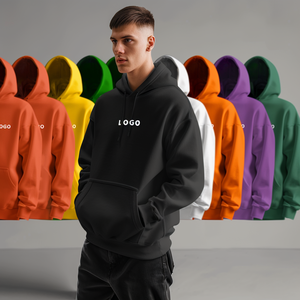
| Heavyweight Streetwear Hoodies | 400–500 GSM 100% Organic Cotton or 80/20 French Terry | Cold weather streetwear, urban lifestyle drops, luxury loungewear. | Double-needle seam coverstitching, pre-shrunk reactive dyeing, anti-pilling fleece backing. |
| Technical Windbreakers & Outerwear | 100% Nylon Ripstop with 3M Reflective & DWR Coating | All-weather outdoor activities, night cycling, technical techwear. | Waterproof seam sealing tape, 3M Scotchlite reflective application, automated laser panel cutting. |
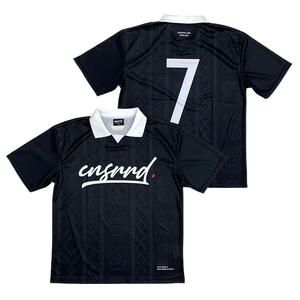
| Vintage Sublimated Sportswear | 180–220 GSM Polyester/Spandex Moisture-Wicking Mesh | Retro athletic wear, esports jerseys, lifestyle sportswear capsules. | High-definition digital sublimation printing, flatlock anti-chafing seams, colorfastness Grade 4.5+. |
| Acid-Washed Vintage Tracksuits | 350 GSM Heavy Cotton Fleece with Custom Wash Finish | Aesthetic streetwear drops, vintage vintage-washed casual collections. | Eco-friendly mineral stone washing, acid wash distressing, reinforced elastic waistband retention. |
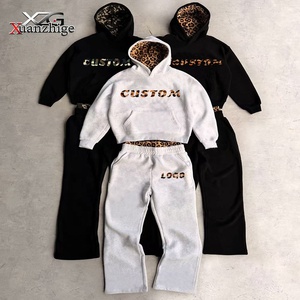
Whether developing customized 2-piece crop hoodie sets with leopard lining or technical 3M reflective nylon jacket suites, Hanoi garment factories offer specialized finishing machinery including direct-to-garment (DTG) printing, multi-head computer embroidery, heat-transfer vinyl, and eco-certified garment dye houses.
The traditional apparel manufacturing paradigm forces brands to choose between two unappealing extremes: high-risk offshore mass manufacturing requiring thousands of units per style, or overly expensive local boutique producers with restricted scalability. Our Hanoi operational framework dismantles this trade-off.
Most traditional garment factories in Vietnam enforce strict minimum order quantities of 1,000 to 5,000 pieces per colorway due to mill fabric requirements. Our strategic structure bridges this gap by maintaining an inventory of pre-tested, high-grade base fabrics and utilizing flexible short-run cutting tables in our Hanoi facility. This enables us to offer true fully custom cut-and-sew production starting at just 50 pieces per design.
Get a Quote for Low MOQ OrdersBefore cutting a single meter of fabric, our engineering team converts your sketches or tech packs into photorealistic 3D digital garment renders. This accelerates pattern approval, minimizes fabric waste, and reduces physical sampling iterations by up to 70%.
Lacking a formal technical specification sheet? Our London-and-Hanoi design team builds professional tech packs, comprehensive bill of materials (BOM), and graded size specifications directly from physical reference garments or visual moodboards.
From custom-knitted ribbing, custom logo drawcord aglets, and embossed metal zippers to bespoke woven neck labels and recycled poly-bag packaging, every single component is tailored precisely to your brand guidelines.
High-volume manufacturing without rigorous oversight inevitable leads to inconsistent sizing, seam failure, and color variance. To eliminate defect risks, our Hanoi garment facilities execute a mandatory Four-Stage Quality Control Protocol based on international AQL 2.5 standards.
Incoming fabric rolls undergo automated 4-point inspection for GSM consistency, shade band variations, stretch recovery, and weave defects before entering the cutting room.
Quality supervisors perform real-time station-by-station checks during assembly, auditing stitch density (SPI), seam strength, alignment, and embroidery precision.
100% of finished garments are measured against the approved graded size spec sheet to guarantee tolerance compliance within ±0.5cm before trimming and ironing.
Randomized AQL 2.5 audits check swing-tag accuracy, polybag barcodes, carton weight distribution, and final aesthetic appearance before export customs clearance.
As global consumer expectations shift toward transparency, sustainability, and technological integration, Hanoi’s garment manufacturing infrastructure is evolving rapidly. Forward-thinking buyers must align with manufacturers positioned at the forefront of these industry shifts.
Hanoi facilities are increasingly adopting GOTS-certified organic cottons, recycled polyester (rPET) derived from oceanic plastics, and OEKO-TEX Standard 100 non-toxic dyes. Closed-loop water treatment facilities are now standard across modern industrial zones in Northern Vietnam.
State-of-the-art computer-controlled Gerber and Lectra automated cutting systems maximize fabric yield, reducing textile waste by up to 15% while delivering surgical precision across complex multi-panel tracksuits and jackets.
Driven by EU digital product passport (DPP) mandates, Hanoi factories are integrating QR-code raw material traceability, providing complete audit trails from raw yarn spinning down to final stitch assembly.
Clear, transparent answers to critical commercial, operational, and technical questions asked by global procurement managers and brand founders.
Our primary manufacturing lines are operated in specialized industrial apparel zones across Hanoi and neighboring Northern Vietnam provinces. We combine a UK-headquartered client management office (providing contract security and seamless English communication) with directly owned and managed factory floors in Hanoi. This structure eliminates broker markup while preserving strict quality control.
Our baseline MOQ starts at 50 pieces per design. However, specific requirements such as custom-knitted performance fabrics, bespoke Pantone shade dyeing, or complex vintage acid washes may require slightly higher minimums based on fabric mill thresholds. We provide precise MOQ breakdowns upon evaluating your tech pack.
No. We operate purely as a custom cut-and-sew manufacturer. Every garment is produced from scratch using your unique patterns, selected fabric blends, custom measurements, and specific brand trims. We also offer pre-developed base blocks that you can customize with your brand’s fabrics, colors, and branding details.
Pattern development, 3D prototyping, and physical sample production generally take 2 to 4 weeks. Following sample approval and lab dip sign-off, bulk production runs typically require 4 to 6 weeks depending on order volume and decoration complexity (e.g., custom embroidery or heavy stonewashing).
Yes. Our in-house technical design team can build complete manufacturing-ready tech packs from physical garments sent to our office, flat vector sketches, or high-resolution moodboards. This includes complete measurement specs, graded size charts, and bill-of-material breakdowns.
We manage direct sea freight (FCL/LCL) and air freight logistics from Haiphong Port and Hanoi Noi Bai International Airport (HAN). We offer Flexible Incoterms including FOB, CIF, DDP (Delivered Duty Paid), taking care of all export customs declarations and international shipping paperwork.
Send us your tech packs, sketches, or reference garments today. Our engineering and merchandising teams will deliver a detailed quotation, fabric assessment, and milestone schedule within 24 hours.
Get a Quote