Explore our premium apparel lines engineered for North American fashion brands, emerging labels, and commercial distributors. Built from heavy-gsm custom fabrics with lab-verified colorfastness and precision stitching.
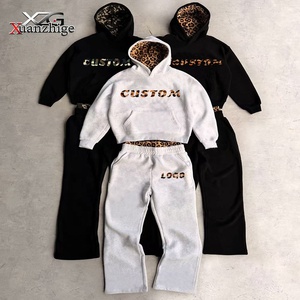

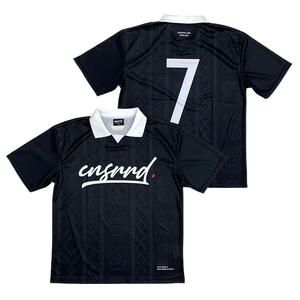

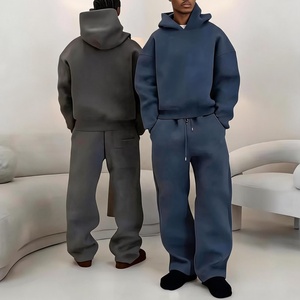
In the contemporary apparel retail ecosystem, American fashion brands, independent streetwear labels, and corporate apparel distributors face unprecedented supply chain complexity. Balancing inventory risk against unit manufacturing cost is the central challenge for brand directors. As a premier OEM clothing manufacturing factory and exporter in the United States supply chain network, we bridge the structural gap between low-volume adaptability and high-volume industrial cost efficiency.
Traditional offshore apparel factories demand minimum order quantities (MOQs) of 500 to 1,000 units per colorway. This operational rigidity forces brands to commit substantial working capital to unproven inventory, creating markdown liability and restricting seasonal agility. Conversely, local domestic cut-and-sew workshops often lack specialized machinery—such as automated computerized cutting, high-density embroidery heads, and vintage garment wash facilities—while charging prohibitive labor tariffs.
Our integrated manufacturing model combines high-level North American corporate account management, strict technical oversight, and contract transparency with our wholly owned offshore manufacturing facilities. This vertical architecture enables us to deliver fully custom cut-and-sew garment production starting at just 50 pieces per design, without compromising material standards, fabric GSM weights, or construction integrity.
Every garment manufactured across our production lines undergoes precise pattern engineering. We do not rely on generic off-the-shelf blanks unless specifically requested for white-label fast replenishment. Instead, each order is built ground-up from technical spec packs or physical reference samples provided by the customer.
Direct sourcing of combed organic cotton, heavy loopback French terry, CVC fleece, water-resistant nylon, and performance poly-spandex blends with custom Pantone TCX color matching.
In-house capability for 3M Scotchlite reflective printing, high-density puff screen printing, DTG, vintage acid/enzyme washes, and intricate chenille patch embroidery.
Multi-tier inspection protocol auditing incoming raw fabric shade, automated cut panel tolerances, in-line seam integrity, and pre-pack dimensional measurements.
By controlling fabric mill sourcing, custom dyeing, pattern grading, stitch formulation, and packaging under a unified Quality Management System (QMS), we eliminate common manufacturing pitfalls such as batch-to-batch color variance, seam twisting, and post-wash shrinkage.
Apparel buyer demands vary significantly by geographical market and regional climate within the United States. We engineer specific fabric configurations and garment weights to align with localized commercial application scenarios.
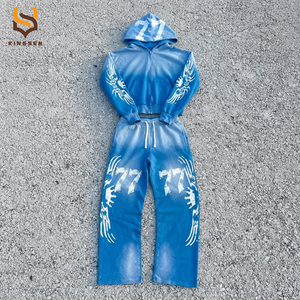
Streetwear brands in major metropolitan hubs require heavy-gsm fabrics that offer structured silhouettes and premium drape. Our 400+ GSM fleece and loopback terry sets provide the boxy, drop-shoulder fit currently commanding high price points in urban retail.
Warm-climate markets demand lightweight, breathable, moisture-wicking synthetic and blended textiles. Our nylon windbreaker tracksuits with 3M reflective detailing and flexible tech-fleece sets are engineered for outdoor lifestyle, activewear, and fitness apparel drops.
Retro jerseys, vintage football shirts, and collegiate sportswear demand precise color-matching, custom ribbing, and durable sublimation printing that withstands intensive athletic use and commercial washing.
Cold-climate regions require dense thermal insulation, multi-layer fleece lining, double-lined hoods, and robust outerwear zippers. Our winter 2-piece baggy sets are tailored for maximum thermal efficiency and cold-weather durability.
The US garment procurement landscape is undergoing a structural transition driven by shifting consumer preferences, sustainability mandates, and tech pack digitization. OEM manufacturers must evolve beyond simple cut-and-sew operations into full-spectrum technical partners.
Across both men's and women's apparel segments in the United States, consumer purchase intent has shifted dramatically toward heavy, structured garments. Lightweight 200 GSM hoodies are increasingly viewed as low-value, whereas 380 to 450 GSM fleece and French terry options signal luxury tiering. Our factory stocks specialized high-density yarns knit specifically to maintain structural form after repeated home laundering cycles.
Modern US consumers prioritize sustainable manufacturing practices and unique aesthetic treatments. Traditional batch dyeing is being augmented by closed-loop acid washes, mineral washes, and eco-friendly enzyme baths that produce distinct vintage patinas without degrading fiber tensile strength. Our dyeing facilities comply with international environmental standards, minimizing water consumption and hazardous chemical discharge.
To reduce sample iteration cycles from months to days, our design office utilizes 3D CAD modeling. American buyers can review digital drape simulations, stress-test seam placements, and evaluate graphic scale on virtual avatars prior to cutting physical fabric. This digital-first approach significantly lowers prototyping expenses and accelerates time-to-market for seasonal collections.
From initial design concept to final delivered shipment, our structured six-stage manufacturing pipeline ensures absolute transparency, strict spec compliance, and zero defects.
Technical analysis of client spec sheets, tech packs, or reference samples. Digital 3D prototyping verifies fit logic, graphic placement, and construction feasibility prior to fabric cutting.
Precision master patterns are created, cut, and graded across full size curves (XS to 3XL) ensuring consistent fit proportions across all garment sizes.
Raw yarn knitting or specialized fabric procurement. Custom lab-dip color matching against Pantone TCX codes with strict colorfastness testing.
A physical prototype is crafted for hands-on evaluation. Clients inspect fabric hand-feel, fit accuracy, stitching, and embellishments before bulk release.
Computerized laser fabric cutting minimizes edge fraying and material waste. Skilled seamstresses assemble garments using specialized four-needle flatlock machines.
100% final garment inspection covering thread trimming, iron pressing, folding, custom poly-bagging, and duty-paid express delivery to US commercial facilities.
Direct technical answers to common operational, customs, and financial questions when sourcing custom OEM apparel manufacturing for the US market.
We provide full DDP (Delivered Duty Paid) freight logistics for US clients. Our international shipping partners handle customs clearance, HTS code classifications, import tariffs, and final truck dispatch directly to your warehouse or fulfillment center in North America without unexpected fees.
Our standard production MOQ starts at 50 pieces per design/style. This MOQ can typically be split across multiple sizes (e.g., S, M, L, XL). For specialized custom-knitted fabric compositions or intricate custom pantone dyeing, mill minimums may apply, which our team details up front.
Yes. If you do not possess a formal factory-ready Tech Pack, our in-house apparel design team can convert physical reference garments, flat vector drawings, or digital mood boards into complete technical spec sheets, including bill of materials (BOM) and size measurement charts.
We enforce a strict 4-stage Quality Control system adhering to AQL 2.5 / 4.0 inspection standards. Inspections occur at fabric arrival, cut panel assembly, in-line stitching, and pre-pack finishing. Measurement tolerance holds within +/- 1 cm against approved size charts.
Physical pre-production sampling typically requires 2 to 3 weeks following tech pack approval. Bulk production generally takes 4 to 6 weeks depending on design complexity, printing processes, and order volume. Express shipping options are available for tight drop schedules.
All textiles and trims meet North American consumer safety guidelines. We offer certified organic cotton options, lead-free metal trims/zippers, phthalate-free screen printing inks, and colorfastness grades compliant with standard US commercial wash testing.