Custom OEM/ODM outerwear engineered with tech-fleece, DWR shells, and ergonomic cuts. Precision-manufactured for Peruvian brands, importers, and retail chains.
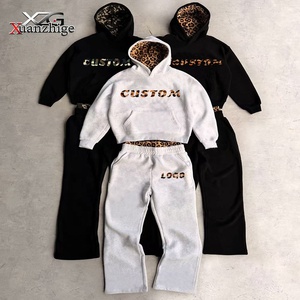

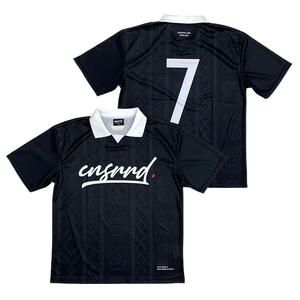

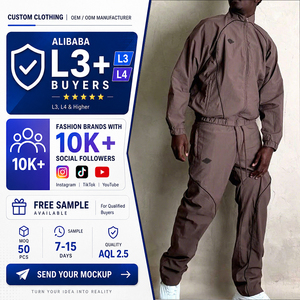
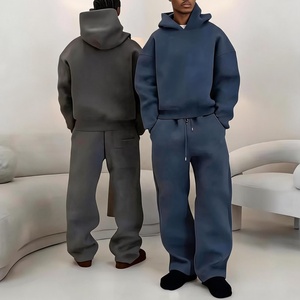
The Peruvian apparel commercial landscape is undergoing a structural paradigm shift. Historically dependent on domestic cotton jersey manufacturing concentrated in Lima’s Gamarra industrial cluster, Peruvian apparel retailers, boutique brands, and corporate outfitters are increasingly running into technical limits when scaling high-performance outerwear. While local mills excel at basic Pima cotton t-shirts, specialized jacket manufacturing—spanning technical windproof nylon, multi-layer bonded fleece, 3M reflective shells, and weather-sealed tracksuits—requires advanced cut-and-sew automation and overseas supply chain integration.
This whitepaper acts as an authoritative operational guide for commercial buyers, brand directors, and apparel importers in Peru looking to partner with dedicated wholesale jacket factories. By leveraging low minimum order quantities (MOQs starting at 50 pieces), rigorous 4-stage quality control systems, and direct-from-factory pricing under international trade standards (Incoterms 2020), Peruvian buyers can bypass domestic production bottlenecks while delivering world-class outerwear built for South America's diverse climatic demands.
Sourcing wholesale jackets for Peru requires an acute understanding of the country's extreme geography. Peru does not possess a single uniform climate; rather, it encompasses three distinct ecological zones that dictate specific textile specifications, membrane choices, and garment construction methods:
The coastal strip, home to over 10 million consumers in Metropolitan Lima, features high relative humidity (often exceeding 85-90%) combined with moderate temperatures and persistent coastal fog known as garúa. Jackets designed for coastal Peru do not require extreme sub-zero thermal insulation, but demands high moisture resistance and breathability. Ideal selections include lightweight 3M reflective windbreakers, DWR-coated nylon tracksuits, and acid-wash loopback fleece hoodies that resist dampness while offering breathable urban streetwear aesthetics.
In the high-altitude Andean region, temperatures plummet drastically between day and night, accompanied by severe UV radiation and freezing alpine winds. Retailers catering to Southern and Central Peru require heavy-duty thermal retainment. Sourcing specifications must prioritize heavyweight 400+ GSM cotton tech-fleece sets, TPU-laminated storm jackets with polar fleece linings, and multi-piece layered tracksuit ensembles capable of locking in core body heat while enduring rugged wear during outdoor tourism and daily transit.
Peru’s tropical eastern rainforest demands specialized lightweight tropical rainwear. High heat coupled with torrential downpours requires ultralight, packable micro-ripstop nylon shells featuring taped seams, underarm ventilation zips, and hydrophobic coatings. Heavy cotton fleece fails rapidly in humid jungle environments, making specialized synthetic jacket manufacturing essential for corporate, mining, and eco-tourism buyers in the region.
The Peruvian retail sector is witnessing three major market dynamics that directly influence how brand founders and wholesale importers construct their product lines:
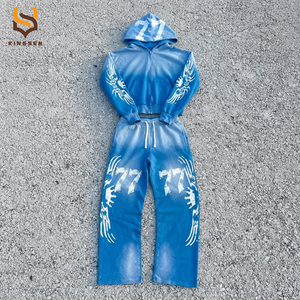
Influenced by global fashion currents and local urban music subcultures, young Peruvian consumers in cities like Lima, Trujillo, and Arequipa are moving away from basic, unbranded outerwear toward technical streetwear. Demand has surged for acid-washed oversized zip hoodies, cropped track jackets, matching jogger sets, and 3M high-visibility reflective outerwear. Domestic local workshops in Gamarra struggle to execute complex washing effects (acid wash, silicone rinses, mineral washes) and technical trims on synthetic fabrics with high consistency, driving brands to offshore OEM specialist factories.
While the Emporio Comercial de Gamarra in La Victoria remains a regional powerhouse for basic cotton knitting and basic garment assembly, it faces critical systemic constraints for technical jacket production:
Capital preservation is paramount for emerging Peruvian streetwear labels and mid-sized corporate buyers. Traditional tier-1 global garment factories mandate MOQs of 500 to 1,000 units per colorway—a financial burden that ties up working capital. Modern wholesale jacket suppliers providing flexible MOQs starting from 50 pieces per design enable Peruvian businesses to launch limited capsule collections, test real market demand across sizing distributions (S through XXL), and reorder top-performing styles without holding excess inventory.
Achieving superior product positioning in the Peruvian marketplace requires detailed technical specifications. Below is the engineering breakdown of our recommended wholesale jacket and tracksuit formulations:
| Garment Category | Fabric Composition | Weight / GSM | Technical Treatments | Target Peruvian Market |
|---|---|---|---|---|
| Heavyweight Tech Fleece Hoodie | 60% Cotton / 40% Polyester or 100% Cotton Fleece | 380 - 450 GSM | Anti-pilling fleece, preshrunk silicone wash, brushed interior | Andean Highlands & Lima Winter Streetwear |
| Lightweight Windbreaker Set | 100% Taslan Nylon or Ripstop Polyester | 110 - 140 GSM | DWR (Durable Water Repellent), 3M Reflective piping, mesh lining | Lima Coastal Cycling, Running & Activewear |
| Retro Vintage Track Jacket | 100% Tricot Polyester / Shiny Satin Finish | 220 - 280 GSM | Sublimation panels, automated precision cutting, ribbing collar | Peruvian Sport Clubs & Vintage Casual Fashion |
| Custom Acid Wash Sweatsuit | 80% Cotton / 20% Polyester French Terry | 350 - 400 GSM | Acid/Stone enzyme washing, custom flared hem, reinforced pocket bar-tacks | High-End Boutique Fashion Brands in Miraflores / San Isidro |
Sourcing directly from our specialized garment factory provides Peruvian clients with an end-to-end manufacturing ecosystem engineered to eliminate operational risk:
Every single jacket and tracksuit unit manufactured on our line passes through four strict audit checkpoints before export packing:
Many emerging Peruvian apparel brands possess creative mood boards or physical sample garments but lack technical specification sheets. Our in-house engineering team bridges this gap:
Importing manufactured apparel into Peru requires adherence to local customs protocols managed by SUNAT (Superintendencia Nacional de Aduanas y de Administración Tributaria). A seamless importing process relies on proper documentation and logistics planning:
A. Customs Documentation & Tariff Classification:
All jacket shipments entering Callao or Jorge Chávez International Airport must be properly classified under the Harmonized System (HS Codes). Common jacket HS Codes include:
Our export documentation team provides accurate Commercial Invoices, Packing Lists with detailed net/gross weight breakdowns, Certificates of Origin (upon request), and Air Waybills (AWB) / Bills of Lading (B/L) to streamline tax assessment and customs clearance under Peruvian import laws.
B. Recommended Freight Routes & Lead Times to Peru:
Partner with a direct garment manufacturer that understands technical fabrics, strict quality control, and flexible low MOQs. Request our full wholesale catalog, fabric swatches, and direct factory quotation today.